Learn More
Description
Members of the protein-tyrosine phosphatase superfamily cooperate with protein kinases to regulate cell proliferation and differentiation. This superfamily is separated into two families based on the substrate that is dephosphorylated. One family, the dual specificity phosphatases (DSPs) acts on both phosphotyrosine and phosphoserine/threonine residues. This gene encodes different but related DSP proteins through the use of nonoverlapping open reading frames, alternate splicing, and presumed different transcription promoters. Expression of the distinct proteins from this gene has been found to be tissue specific and the proteins may be involved in postnatal development of specific tissues. A protein encoded by the upstream ORF was found in skeletal muscle, whereas the encoded protein from the downstream ORF was found only in testis. In mouse, a similar pattern of expression was found. Multiple alternatively spliced transcript variants were described, but the full-length sequence of only some were determined. [provided by RefSeq
Specifications
Specifications
| Antigen | DUSP13 |
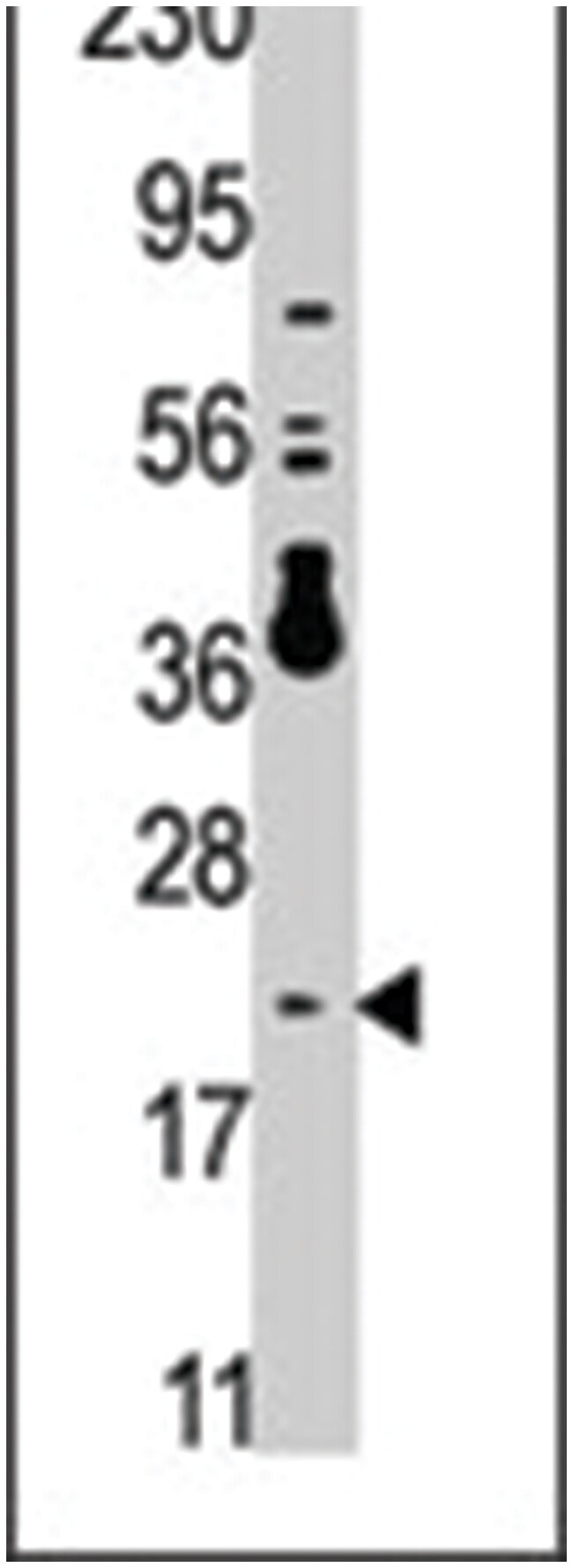
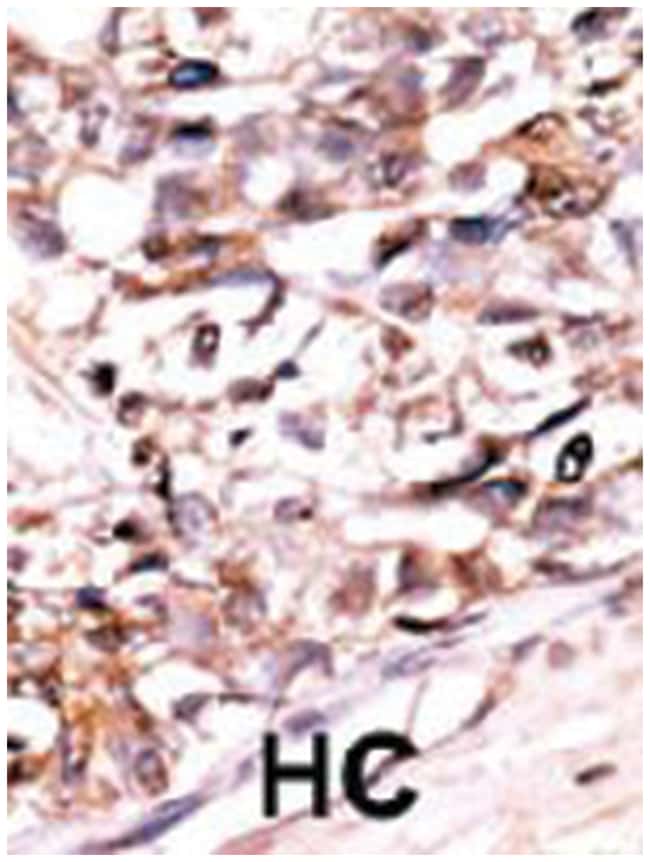
| Applications | ELISA, Immunohistochemistry (PFA fixed), Western Blot |
| Classification | Polyclonal |
| Conjugate | Unconjugated |
| Description | Rabbit polyclonal antibody raised against synthetic peptide of DUSP13. |
| Dilution | ELISA (1:1000) Western Blot (1:100-500) Immunohistochemistry (1:50-100) The optimal working dilution should be determined by the end user. |
| Formulation | In PBS (0.09% sodium azide) |
| Gene | DUSP13 |
| Gene Accession No. | Q9UII6 |
| Gene Alias | BEDP/DUSP13A/DUSP13B/FLJ32450/MDSP/SKRP4/TMDP |
| Show More |
For Research Use Only
By clicking Submit, you acknowledge that you may be contacted by Fisher Scientific in regards to the feedback you have provided in this form. We will not share your information for any other purposes. All contact information provided shall also be maintained in accordance with our Privacy Policy.