Learn More
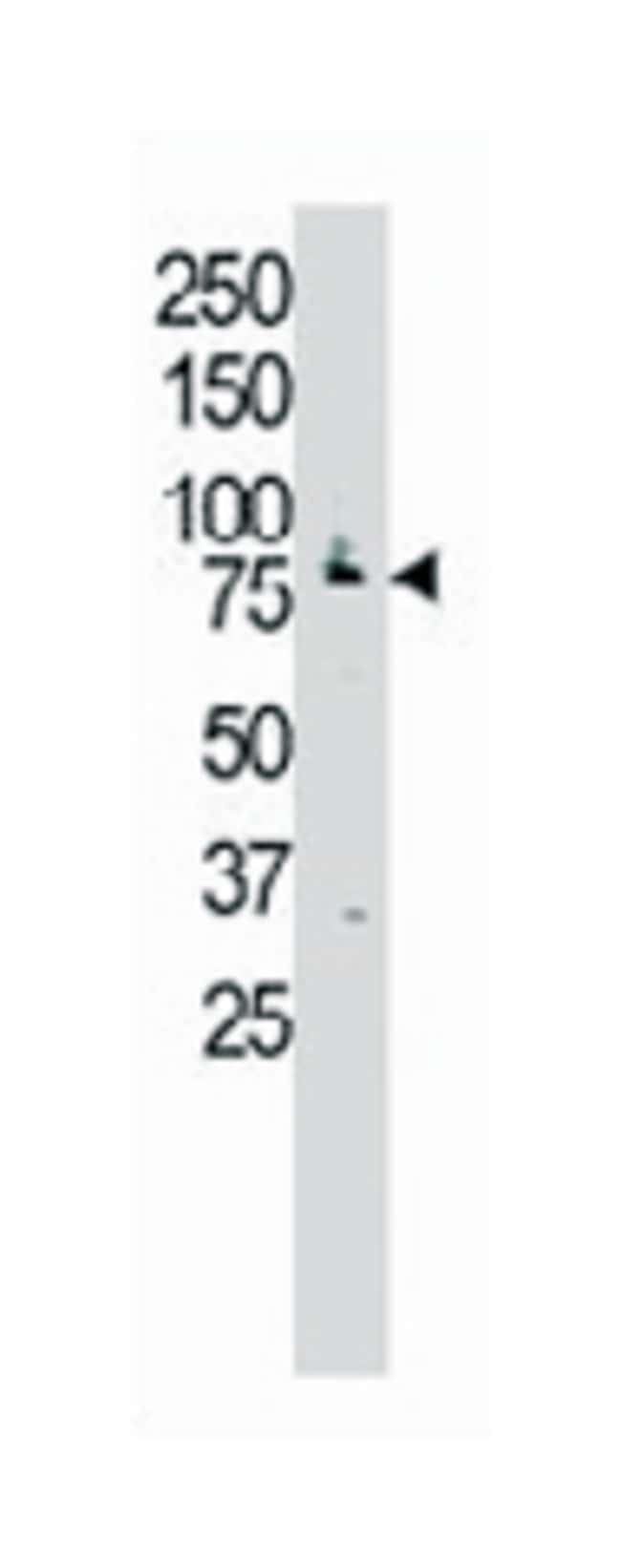

Description
Intercellular communication is often mediated by receptors on the surface of one cell that recognize and are activated by specific protein ligands released by other cells. Members of one class of cell surface receptors, receptor tyrosine kinases (RTKs), are characterized by having a cytoplasmic domain containing intrinsic tyrosine kinase activity. This kinase activity is regulated by the binding of a cognate ligand to the extracellular portion of the receptor. DeChiara et al. (1996) [PubMed 8653786] noted that the RTKs, known to be expressed in cell type-specific fashions, play a role critical for the growth and differentiation of those cell types. For example, members of the neural-specific TRK family that recognize nerve growth factor are absolutely required for the survival and development of discrete neuronal subpopulations, and the receptor tyrosine kinases TIE1 (MIM 600222) and TIE2 (MIM 600221) play a critical role in the development of normal blood vessels.[supplied by OMIM
Specifications
Specifications
| Antigen | MUSK |
| Applications | Flow Cytometry, Immunohistochemistry (PFA fixed), Western Blot |
| Classification | Polyclonal |
| Conjugate | Unconjugated |
| Description | Rabbit polyclonal antibody raised against synthetic peptide of MUSK. |
| Dilution | Flow Cytometry (1:10-50) Immunohistochemistry (Formalin/PFA-fixed paraffin-embedded sections) (1:50-100) Western Blot (1:1000) The optimal working dilution should be determined by the end user. |
| Formulation | In PBS (0.09% sodium azide) |
| Gene | MUSK |
| Gene Alias | MGC126323/MGC126324 |
| Gene Symbols | MUSK |
| Show More |
For Research Use Only
By clicking Submit, you acknowledge that you may be contacted by Fisher Scientific in regards to the feedback you have provided in this form. We will not share your information for any other purposes. All contact information provided shall also be maintained in accordance with our Privacy Policy.