Learn More
Description
NFKB has been detected in numerous cell types that express cytokines, chemokines, growth factors, cell adhesion molecules, and some acute phase proteins in health and in various disease states. NFKB is activated by a wide variety of stimuli such as cytokines, oxidant-free radicals, inhaled particles, ultraviolet irradiation, and bacterial or viral products. Inappropriate activation of NF-kappa-B has been linked to inflammatory events associated with autoimmune arthritis, asthma, septic shock, lung fibrosis, glomerulonephritis, atherosclerosis, and AIDS. In contrast, complete and persistent inhibition of NF-kappa-B has been linked directly to apoptosis, inappropriate immune cell development, and delayed cell growth. For reviews, see Chen et al. (1999) [PubMed 9895331] and Baldwin (1996) [PubMed 8717528].[supplied by OMIM
Specifications
Specifications
| Antigen | NFKB2 |
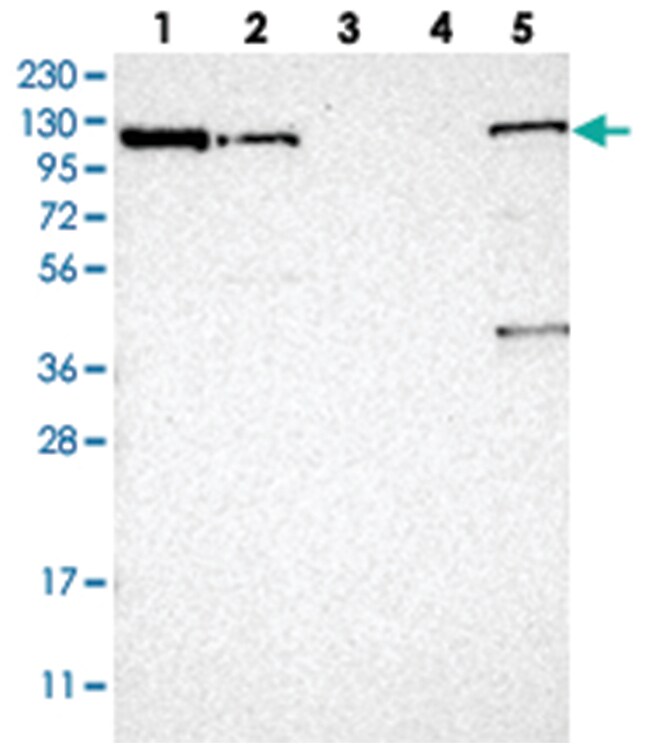
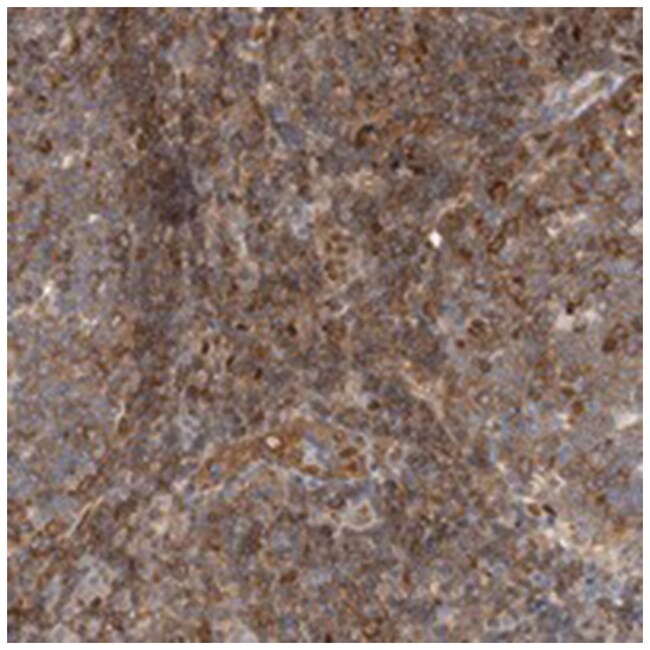
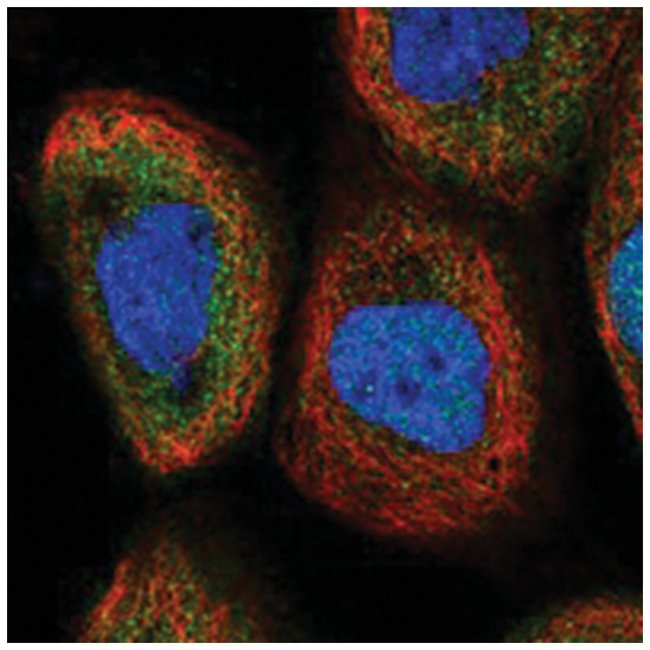
| Applications | Immunofluorescence, Immunohistochemistry (PFA fixed), Western Blot |
| Classification | Polyclonal |
| Conjugate | Unconjugated |
| Description | Rabbit polyclonal antibody raised against recombinant NFKB2. |
| Dilution | Immunohistochemistry (1:10-1:20) Western Blot (1:250-1:500) Immunofluorescence (1-4 ug/mL) The optimal working dilution should be determined by the end user. |
| Formulation | In PBS, pH 7.5 (40% glycerol, 0.02% sodium azide) |
| Gene | NFKB2 |
| Gene Alias | LYT-10/LYT10 |
| Gene Symbols | NFKB2 |
| Show More |
For Research Use Only
By clicking Submit, you acknowledge that you may be contacted by Fisher Scientific in regards to the feedback you have provided in this form. We will not share your information for any other purposes. All contact information provided shall also be maintained in accordance with our Privacy Policy.