Learn More
Description
Protein kinase C (PKC) is a family of serine- and threonine-specific protein kinases that can be activated by calcium and the second messenger diacylglycerol. PKC family members phosphorylate a wide variety of protein targets and are known to be involved in diverse cellular signaling pathways. PKC family members also serve as major receptors for phorbol esters, a class of tumor promoters. Each member of the PKC family has a specific expression profile and is believed to play a distinct role in cells. The protein encoded by this gene is one of the PKC family members. This kinase has been shown to be involved in many different cellular functions, such as neuron channel activation, apoptosis, cardioprotection from ischemia, heat shock response, as well as insulin exocytosis. Knockout studies in mice suggest that this kinase is important for lipopolysaccharide (LPS)-mediated signaling in activated macrophages and may also play a role in controlling anxiety-like behavior. [provided by RefSeq
Specifications
Specifications
| Antigen | PRKCE |
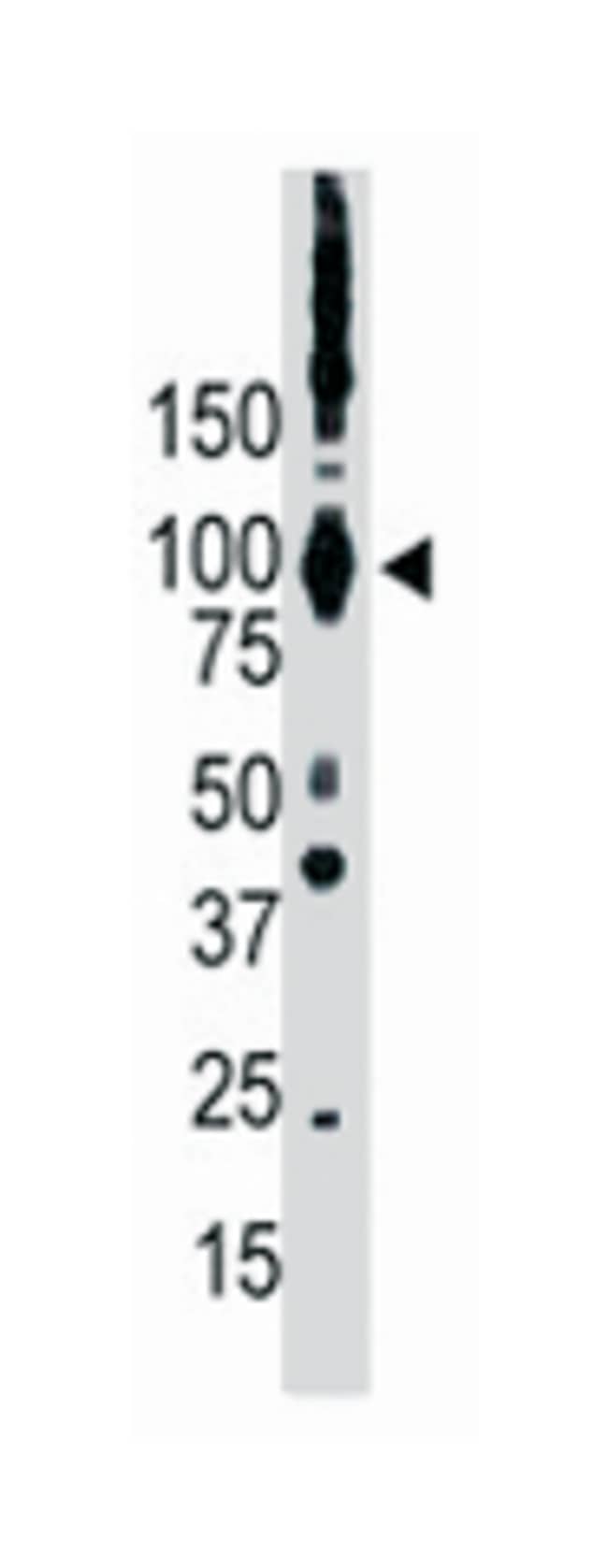
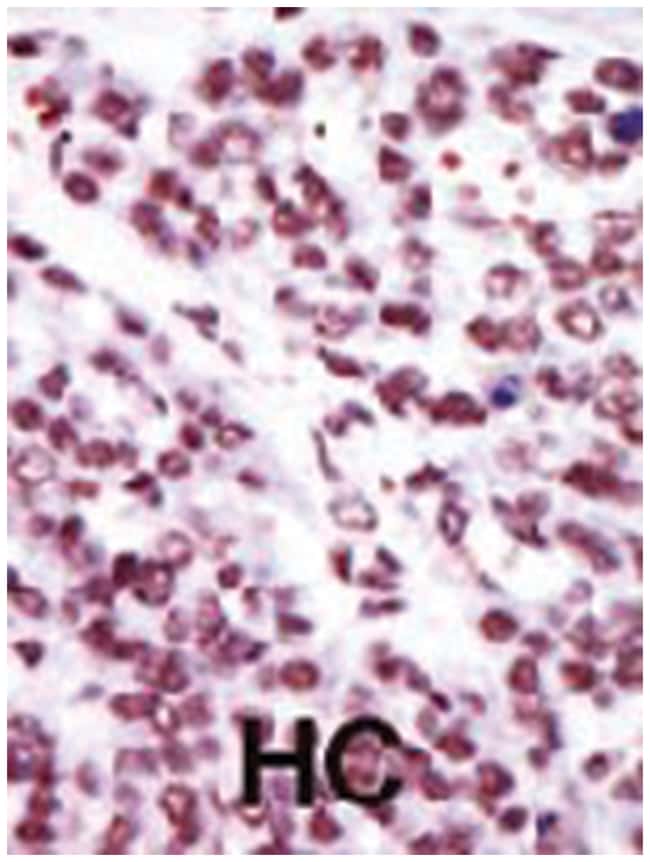
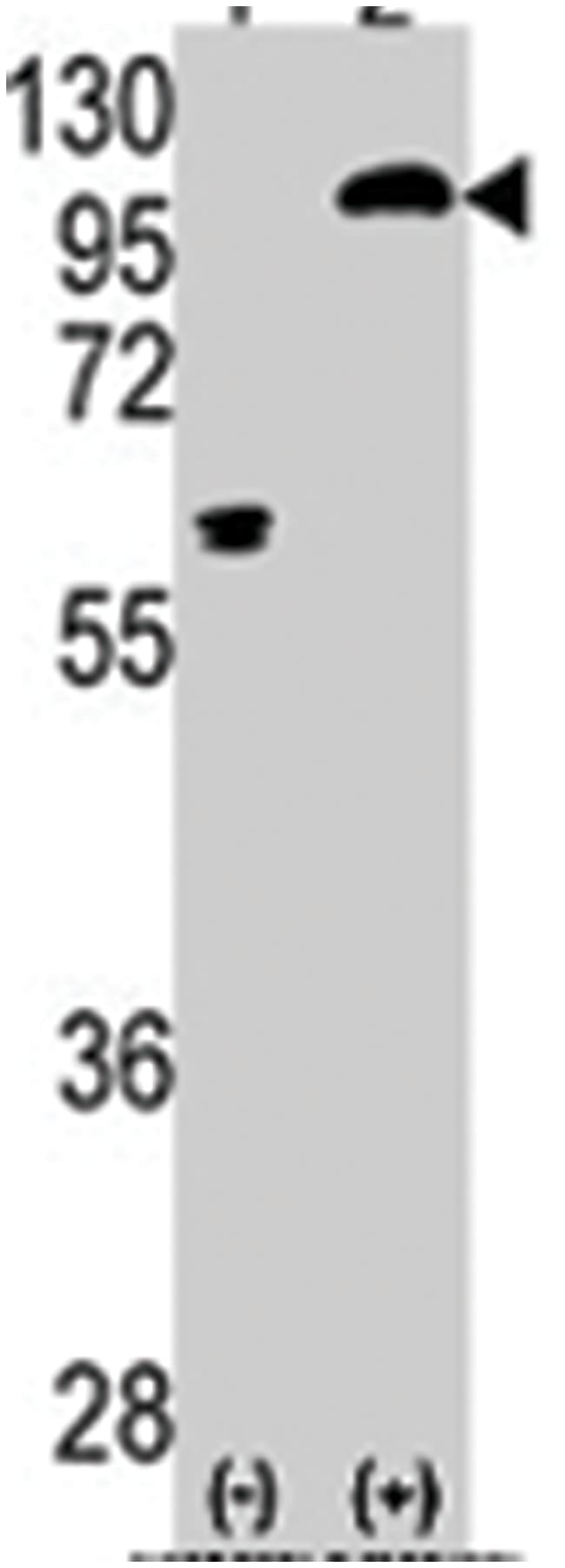
| Applications | ELISA, Immunohistochemistry (PFA fixed), Western Blot |
| Classification | Polyclonal |
| Conjugate | Unconjugated |
| Description | Rabbit polyclonal antibody raised against synthetic peptide of PRKCE. |
| Dilution | ELISA (1:1000) Western Blot (1:100-500) Immunohistochemistry (1:50-100) The optimal working dilution should be determined by the end user. |
| Formulation | In PBS (0.09% sodium azide) |
| Gene | PRKCE |
| Gene Alias | MGC125656/MGC125657/PKCE/nPKC-epsilon |
| Gene Symbols | PRKCE |
| Show More |
For Research Use Only
By clicking Submit, you acknowledge that you may be contacted by Fisher Scientific in regards to the feedback you have provided in this form. We will not share your information for any other purposes. All contact information provided shall also be maintained in accordance with our Privacy Policy.