Learn More


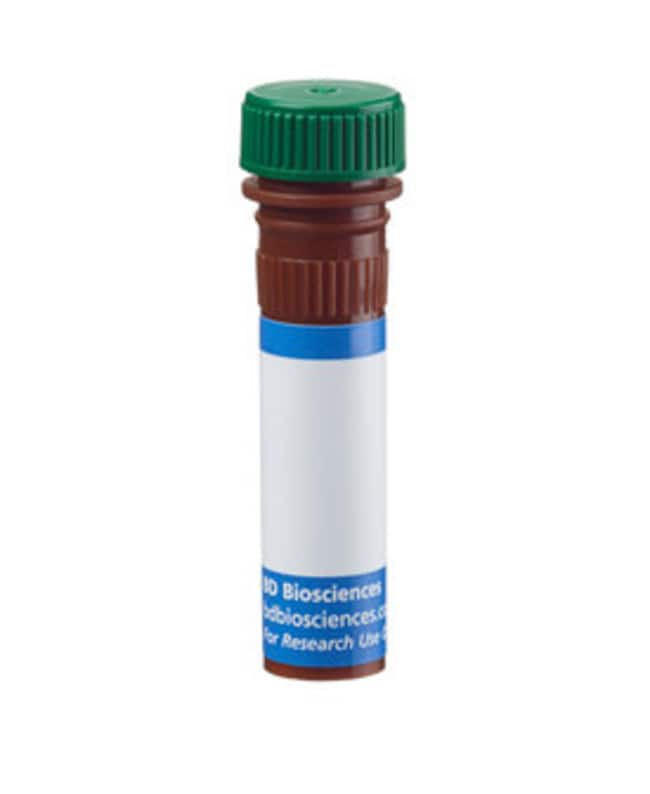
Description
Recognizes the γ/δ T-cell receptor (TCR). This receptor complex consists of two disulfide-linked glycoproteins, a γ chain (45-60kDa) and a δ subunit (40-60kDa). γ/δ TCR is expressed in less than 10% of human peripheral T cells. The physiological significance of γ/δ+ T cells is still unknown. There is evidence indicating that these cells recognize bacterial ligands and some tumor cells. Reports suggest that γ/δ+ T cells may play a role in the immune reaction during infection and in regulation of pathphysiological autoimmune responses. Due to the fact that CD3 and TCRγδ antibodies may recognize epitopes which are very close to each other and that CD3 was interfering with the clone B1 antibody binding but not with the clone 11F2 antibody, we recommend to use clone 11F2 antibody to perform double staining TCRγδ and CD3. This antibody is routinely tested by flow cytometric analysis. Other applications were tested at BD Biosciences Pharmingen during antibody development only or reported in the literature.
Flow Cytometry

Specifications
Specifications
| Antigen | TCR γδ |
| Applications | Flow Cytometry |
| Classification | Monoclonal |
| Clone | B1 |
| Concentration | 0.5mg/mL |
| Conjugate | FITC |
| Formulation | Aqueous buffered solution containing ≤0.09% sodium azide. |
| Host Species | Mouse |
| Purification Method | Affinity Purified |
| Quantity | 0.1 mg |
| Show More |
Safety and Handling
For Research Use Only.
By clicking Submit, you acknowledge that you may be contacted by Fisher Scientific in regards to the feedback you have provided in this form. We will not share your information for any other purposes. All contact information provided shall also be maintained in accordance with our Privacy Policy.