Promotional price valid on web orders only. Your contract pricing may differ. Interested in signing up for a dedicated account number?
Learn More

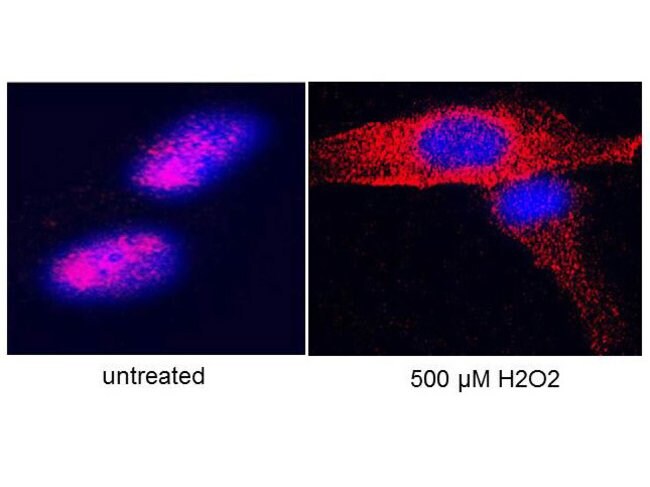
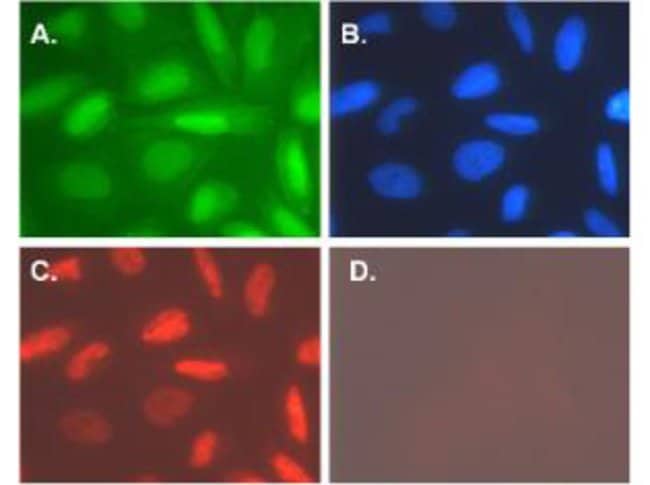
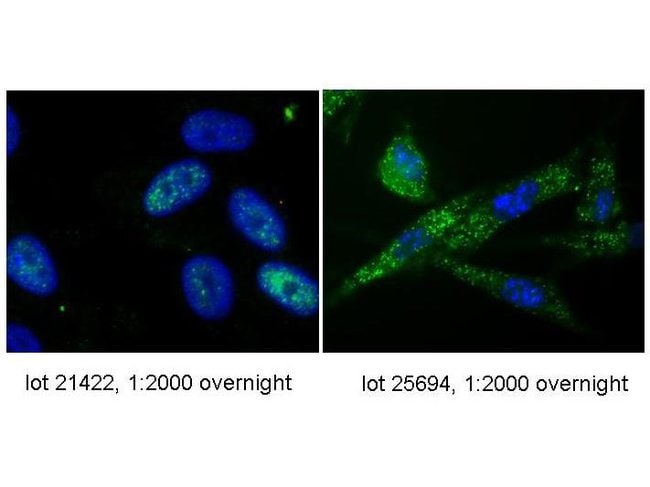
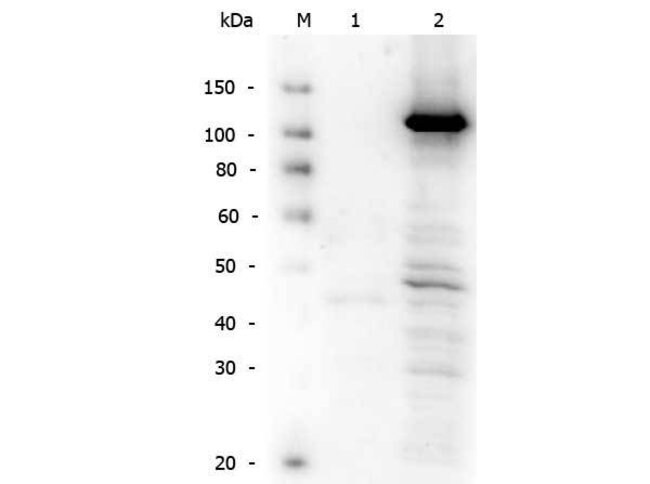
Telomerase catalytic subunit Polyclonal Antibody, Rockland™
SDP

Catalog No. 501991686
Encompass
Encompass_Preferred
Change view
Click to view available options
Quantity:
100 μg
1 product options available for selection
Product selection table with 1 available options. Use arrow keys to navigate and Enter or Space to select.
Catalog No. Quantity
50-199-1686 100 μg
Use arrow keys to navigate between rows. Press Enter or Space to select a product option. 1 options available.
1 options
Catalog No. 50-199-1686 Supplier Rockland Immunochemicals Supplier No. 600401252
Add to Cart
Add to Cart

Rabbit Polyclonal Antibody

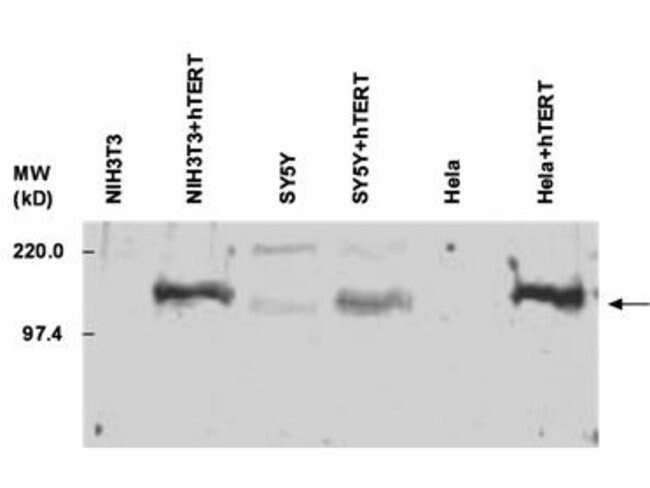
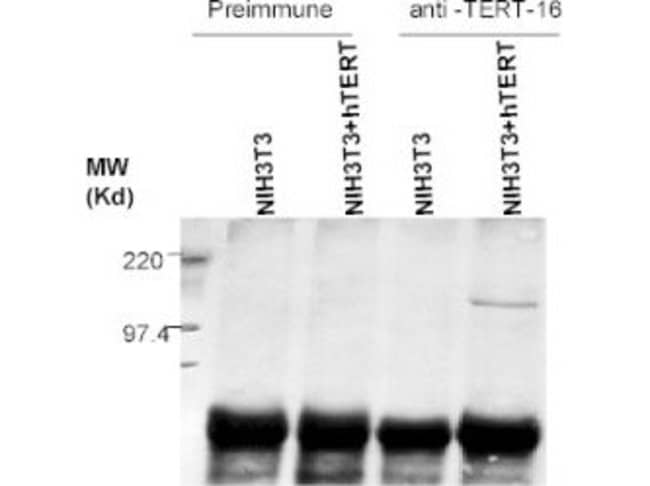
Store vial at -20°C prior to opening. Aliquot contents and freeze at -20°C or below for extended storage. Avoid cycles of freezing and thawing. Centrifuge product if not completely clear after standing at room temperature. This product is stable for several weeks at 4°C as an undiluted liquid. Dilute only prior to immediate use. Assay by immunoelectrophoresis resulted in a single precipitin arc against anti-Rabbit Serum. Although it has been reported that this antibody reacts with mouse TERT (mTERT) (see Drissi, et al. 2001), the binding to mTERT is considerably weaker and less specific than the binding to hTERT (not shown).

Telomerase is a ribonucleoprotein polymerase that maintains telomere ends by addition of the telomere repeat TTAGGG. The enzyme consists of a protein component with reverse transcriptase activity, encoded by this gene, and an RNA component which serves as a template for the telomere repeat. Telomerase expression plays a role in cellular senescence, as it is normally repressed in postnatal somatic cells resulting in progressive shortening of telomeres. Deregulation of telomerase expression in somatic cells may be involved in oncogenesis. Studies in mouse suggest that telomerase also participates in chromosomal repair, since de novo synthesis of telomere repeats may occur at double-stranded breaks. Alternatively spliced variants encoding different isoforms of telomerase reverse transcriptase (TERT) have been identified; the full-length sequence of some variants has not been determined. Alternative splicing at this locus is thought to be one mechanism of regulation of telomerase activity.

Specifications

Antigen Telomerase catalytic subunit
Applications ELISA, Immunofluorescence, Immunohistochemistry, Immunoprecipitation, Western Blot
Classification Polyclonal
Concentration 1 mg/mL
Conjugate Unconjugated
Formulation 0.02M potassium phosphate with 0.15M NaCl and 0.01% sodium azide; pH 7.2
Gene TERT
Gene Accession No. O14746
Gene Alias CMM9; DKCA2; DKCB4; EST2; HEST2; hTERT; hTRT; PFBMFT1; RGD:70494}; TCS1; Telomerase catalytic subunit; Telomerase reverse transcriptase; telomerase reverse transcriptase beta; Telomerase-associated protein 2; TERT; tert {ECO:0000312; TP2; TR; TRT
Gene Symbols TERT
Host Species Rabbit
Quantity 100 μg
Regulatory Status RUO
Primary or Secondary Primary
Gene ID (Entrez) 7015
Target Species Human
Content And Storage -20°C, Avoid Freeze/Thaw Cycles
Product Type Antibody
Form Liquid
Show More Show Less
Product Title
Select an issue

By clicking Submit, you acknowledge that you may be contacted by Fisher Scientific in regards to the feedback you have provided in this form. We will not share your information for any other purposes. All contact information provided shall also be maintained in accordance with our Privacy Policy.