Promotional price valid on web orders only. Your contract pricing may differ. Interested in signing up for a dedicated account number?
Learn More
Learn More
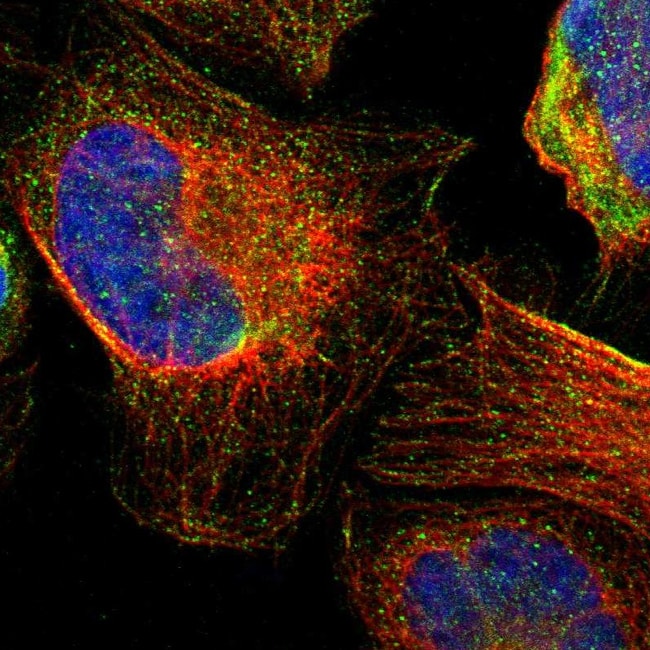
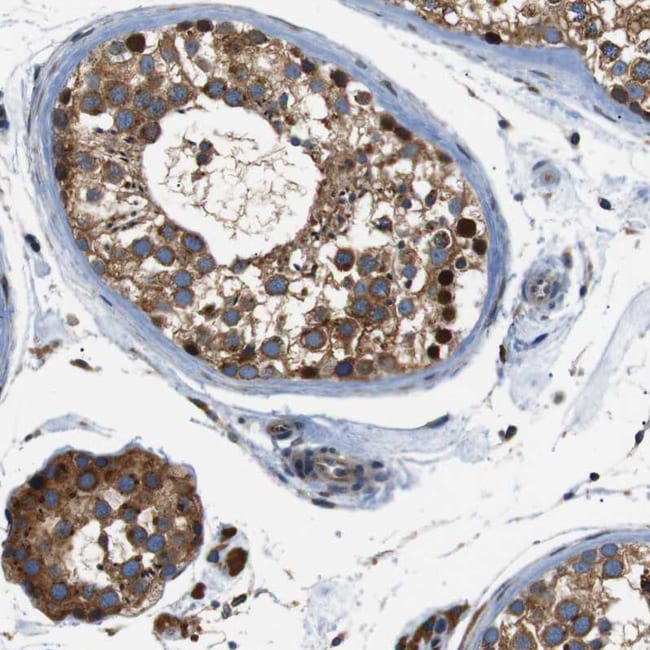
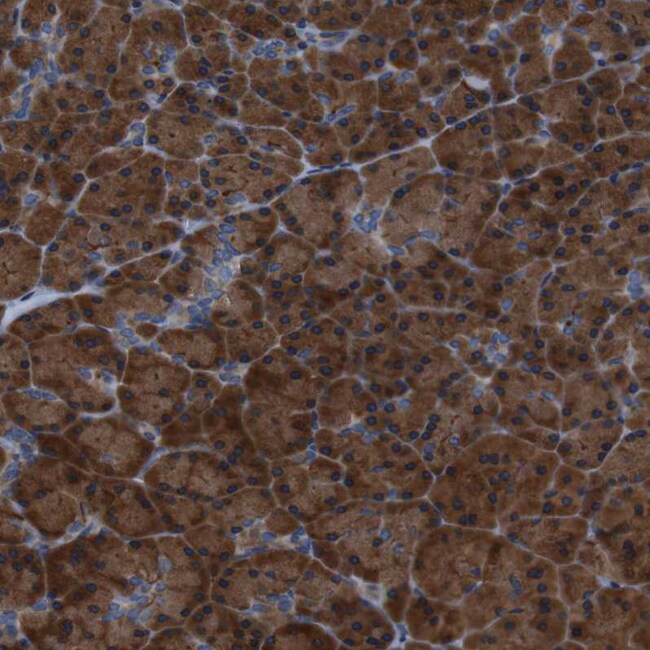
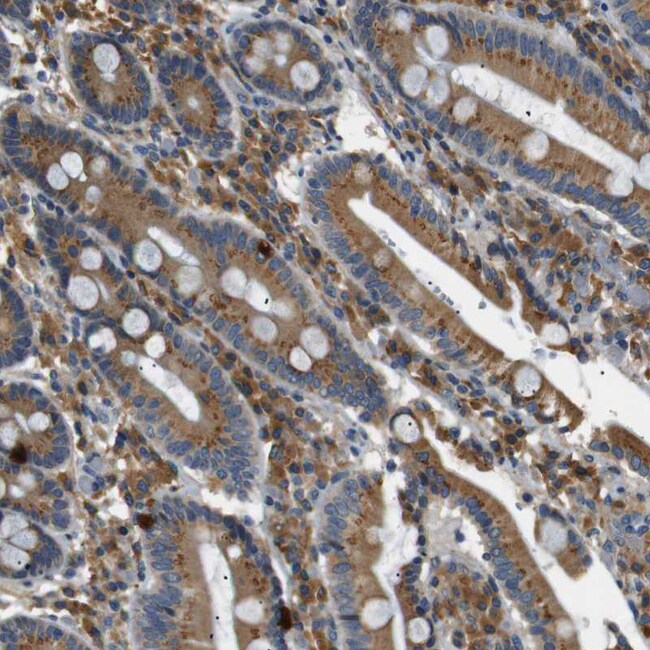
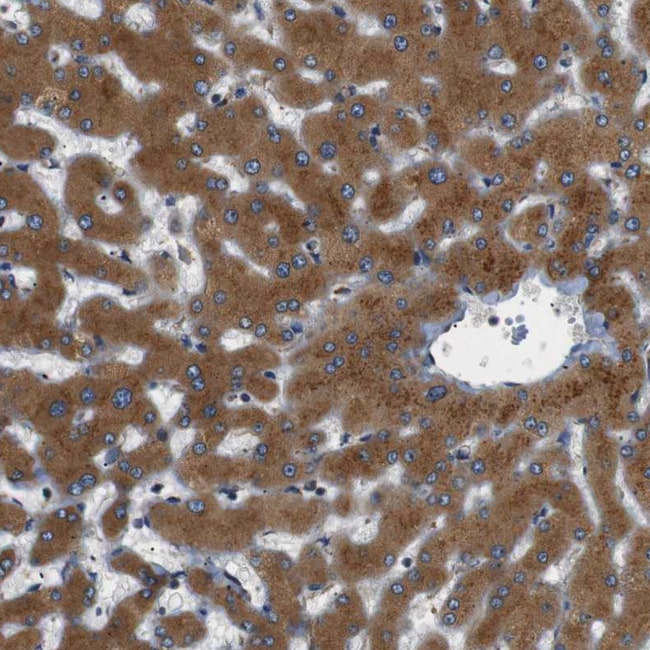
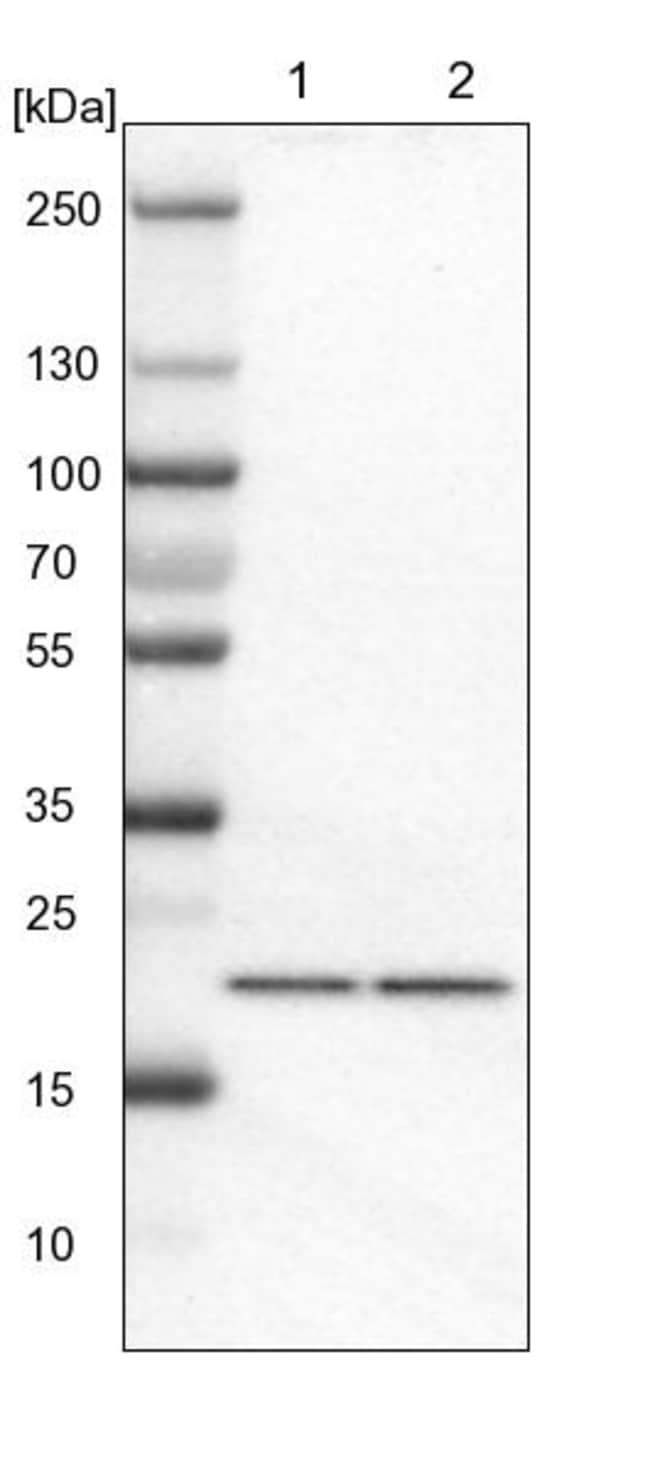
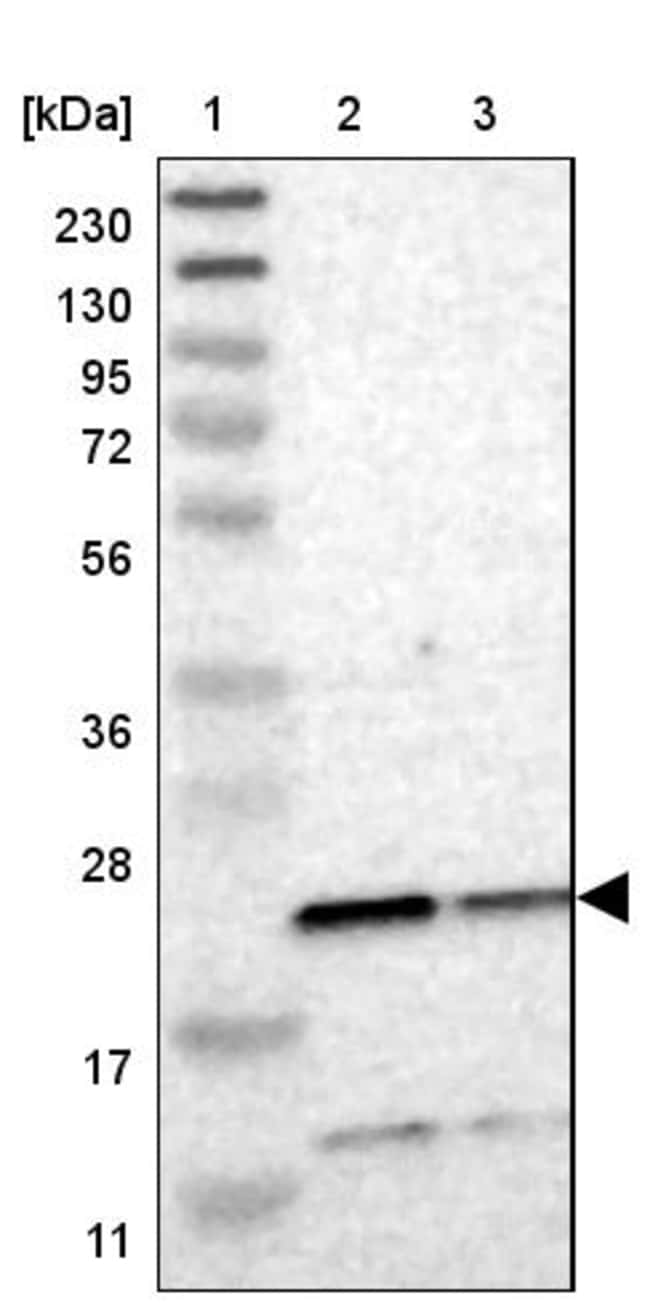
Invitrogen™ TMED2 Polyclonal Antibody

Description
Immunogen sequence: DAHAEECFFE RVTSGTKMGL IFEVAEGGFL DIDVEITGPD NKGIYKGDRE SSGKYTFAAH MDGTYKFCFS NRMSTMTPKI VMFTIDIGEA PKGQDMETEA HQNKLEEMIN ELAVAMTAVK HEQEY Highest antigen sequence identity to the following orthologs: Mouse - 100%, Rat - 100%.
TMED2 is a protein coding gene involved in vesicular protein trafficking. Mainly functions in the early secretory pathway but also in post-Golgi membranes. Thought to act as cargo receptor at the lumenal side for incorporation of secretory cargo molecules into transport vesicles and to be involved in vesicle coat formation at the cytoplasmic side. In COPII vesicle-mediated anterograde transport involved in the transport of GPI-anchored proteins and proposed to act together with TMED10 as their cargo receptor; the function specifically implies SEC24C and SEC24D of the COPII vesicle coat and lipid raft-like microdomains of the ER. Recognizes GPI anchors structural remodeled in the ER by PGAP1 and MPPE1. In COPI vesicle-mediated retrograde transport inhibits the GTPase-activating activity of ARFGAP1 towards ARF1 thus preventing immature uncoating and allowing cargo selection to take place. involved in trafficking of G protein-coupled receptors (GPCRs). Regulates F2RL1, OPRM1 and P2RY4 exocytic trafficking from the Golgi to the plasma membrane thus contributing to receptor resensitization. Facilitates CASR maturation and stabilization in the early secretory pathway and increases CASR plasma membrane targeting. Proposed to be involved in organization of intracellular membranes such as the maintenance of the Golgi apparatus. May also play a role in the biosynthesis of secreted cargo such as eventual processing.

Specifications
Specifications
| Antigen | TMED2 |
| Applications | Immunohistochemistry (Paraffin), Western Blot, Immunocytochemistry |
| Classification | Polyclonal |
| Concentration | 0.1 mg/mL |
| Conjugate | Unconjugated |
| Formulation | PBS with 40% glycerol and 0.02% sodium azide; pH 7.2 |
| Gene | Tmed2 |
| Gene Accession No. | Q15363, Q63524, Q9R0Q3 |
| Gene Alias | 1110032D12Rik; 1810020N21Rik; coated vesicle membrane protein; COPI-coated vesicle membrane protein p24; Membrane protein p24A; p24; p24 family protein beta-1; P24A; p24b1; p24beta1; RNP21.4; RNP24; sid 394; Sid394; Sid394p; TMED2; transmembrane emp24 domain trafficking protein 2; transmembrane emp24 domain-containing protein 2; transmembrane p24 trafficking protein 2 |
| Gene Symbols | Tmed2 |
| Show More |
Product Title
By clicking Submit, you acknowledge that you may be contacted by Fisher Scientific in regards to the feedback you have provided in this form. We will not share your information for any other purposes. All contact information provided shall also be maintained in accordance with our Privacy Policy.
Spot an opportunity for improvement?