Promotional price valid on web orders only. Your contract pricing may differ. Interested in signing up for a dedicated account number?
Learn More
Learn More
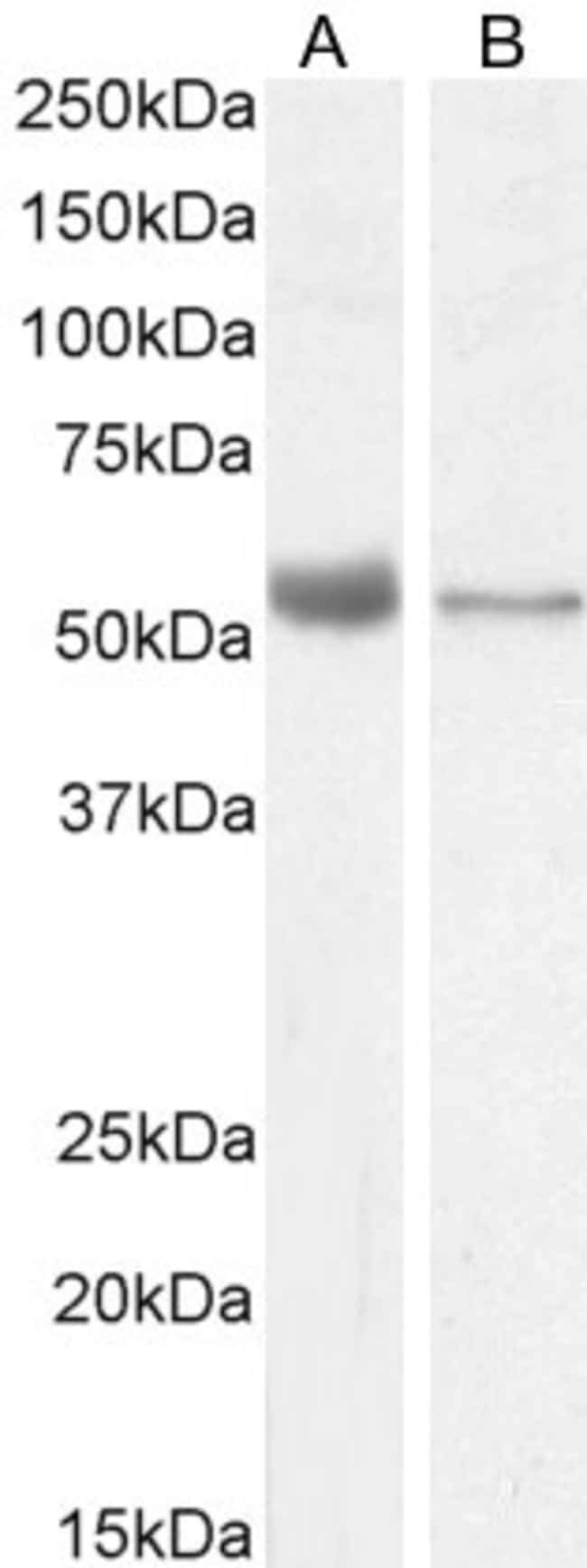
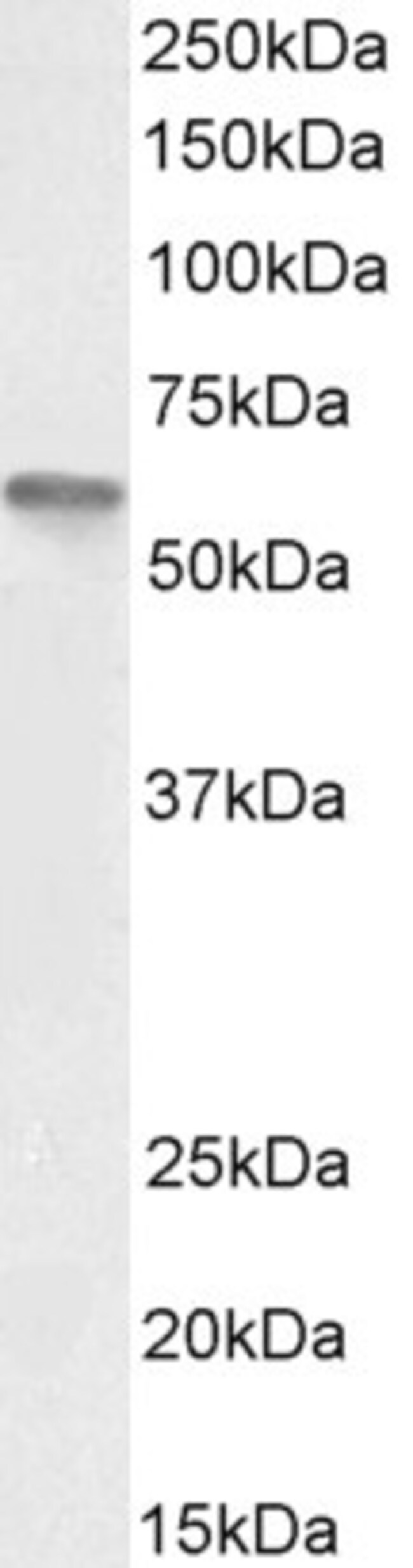
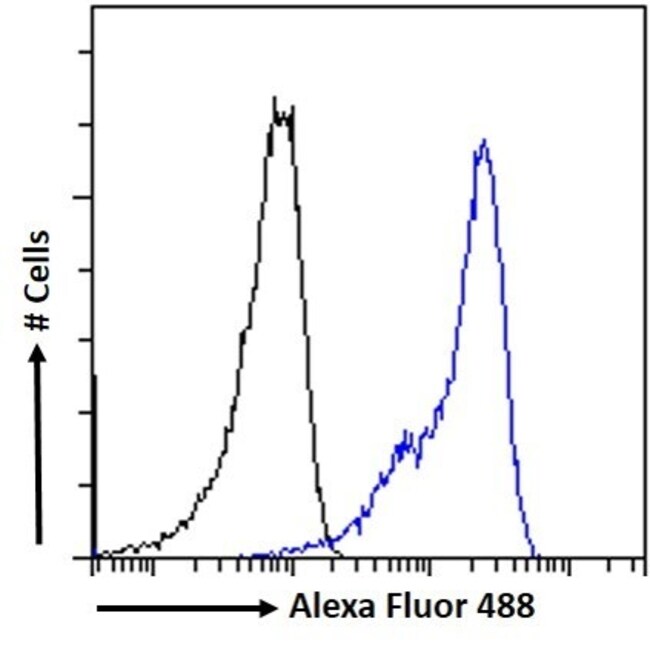
Invitrogen™ VDR Polyclonal Antibody

Description
This antibody is predicted to react with canine based on sequence homology. This antibody is tested in Peptide ELISA: antibody detection limit dilution 16,000.
Steroid receptors are ligand-dependent intracellular proteins that stimulate transcription of specific genes by binding to specific DNA sequences following activation by the appropriate hormone. The 1,25-dihydroxy-vitamin D3 receptor (VDR) belongs to the superfamily of steroid hormone receptors which includes estrogen, progesterone, glucocorticoid, androgen, and thyroid hormone receptors. Vitamin D modulates calcium and phosphorus homeostasis, bone remodeling, cell growth regulation, and differentiation. Studies have found VDR in the intestine, bone, kidney, epidermis, and cells of the endocrine immune system. Repression of T-cell proliferation and interleukin-2 (IL-2) gene expression, for example, occurs when VDR binds within the IL-2 enhancer. Formation of VDR/retinoic X receptor (RXR) heterodimers in the presence of intracellular 1,25(OH)2D3 has been shown to interfere with assembly of nuclear factor of activated T-cells (NFATp)/Fos/Jun/DNA complex and subsequent IL-2 gene transcription. The corresponding gene for the vitamin D receptor is NR1I1.

Specifications
Specifications
| Antigen | VDR |
| Applications | Flow Cytometry, Western Blot |
| Classification | Polyclonal |
| Concentration | 0.5 mg/mL |
| Conjugate | Unconjugated |
| Formulation | TBS with 0.5% BSA and 0.02% sodium azide; pH 7.3 |
| Gene | VDR |
| Gene Accession No. | P11473 |
| Gene Alias | 1,25-dihydroxyvitamin D3 receptor; HGNC:12679; I79_025795; Nr1i1; Nuclear receptor subfamily 1 group I member 1; PPP1R163; protein phosphatase 1, regulatory subunit 163; vdr; vdr.S; vdr-A; vitamin D (1,25- dihydroxyvitamin D3) receptor; vitamin D (1,25- dihydroxyvitamin D3) receptor S homeolog; vitamin D (1,25-dihydroxyvitamin D3) receptor; vitamin D nuclear receptor variant 1; vitamin D receptor; vitamin D receptor protein; vitamin D receptor S homeolog; Vitamin D3 receptor; XELAEV_18015993mg; xVDR |
| Gene Symbols | VDR |
| Show More |
Product Title
By clicking Submit, you acknowledge that you may be contacted by Fisher Scientific in regards to the feedback you have provided in this form. We will not share your information for any other purposes. All contact information provided shall also be maintained in accordance with our Privacy Policy.
Spot an opportunity for improvement?