
Life Science Buffers
Balanced salt solutions and powders used for molecular, protein, nucleic acid, and cell biology applications including cell culture, electrophoresis, ELISA, and chromatography processes; available in a variety of formulations and grades.
Buffer solutions serve to keep pH (acidity or alkalinity) nearly constant in a variety of chemical and biological applications. For example, a bicarbonate buffer helps maintain the pH of blood, a buffered saline maintains cellular contents at a consistent pH level, and buffers help maintain a narrow pH range for enzymes to function correctly.
Most biological samples used in research are kept at a pH of about 7.4. Common biological buffers used for tissue culture include Dulbeccos phosphate buffered saline (PBS), Tris base, HEPES, MOPS, PIPES, and other formulations developed for specific cell lines or applications. Most buffers used in cell culture are also DNase-, RNase-, and protease-free.
The choice of buffer for a particular biological reaction or site depends on several factors:
- Temperature
- Desired or target pH
- Buffer toxicity (to the system)
- Buffer interactions with other system components
- (1)
- (1)
- (3)
- (1)
- (115)
- (1)
- (2)
- (1)
- (2)
- (2)
- (72)
- (2)
- (1)
- (1)
- (1)
- (1)
- (10)
- (3)
- (2)
- (1)
- (10)
- (6)
- (1)
- (4)
- (2)
- (10)
- (1)
- (5)
- (5)
- (113)
- (106)
- (1)
- (1)
- (1)
- (1)
- (1)
- (11)
- (2)
- (7)
- (1)
- (1)
- (1)
- (2)
- (6)
- (8)
- (23)
- (1)
- (12)
- (21)
- (1)
- (4)
- (1)
- (12)
- (1)
- (2)
- (1)
- (54)
- (6)
- (5)
- (34)
- (129)
- (2)
- (1)
- (27)
- (2)
- (1)
- (6)
- (1)
- (2)
- (19)
- (2)
- (1)
- (26)
- (1)
- (1)
- (6)
- (7)
- (3)
- (8)
- (1)
- (89)
- (154)
- (8)
- (6)
- (10)
- (1)
- (1)
- (4)
- (1)
- (1)
- (1)
- (1)
- (1)
- (2)
- (9)
- (22)
- (155)
- (6)
- (3)
- (1)
- (4)
- (2)
- (3)
- (7)
- (5)
- (3)
- (9)
- (4)
- (615)
- (5)
- (4)
- (4)
- (129)
- (23)
- (32)
- (49)
- (6)
- (4)
- (2)
- (5)
- (125)
- (2)
- (14)
- (10)
- (3)
- (14)
- (2)
- (49)
- (1)
- (1)
- (2)
- (32)
- (13)
- (5)
- (26)
- (2)
- (4)
- (9)
- (9)
- (23)
- (45)
- (5)
- (56)
- (5)
- (13)
- (1)
- (3)
- (2)
- (3)
- (1)
- (9)
- (1)
- (2)
- (3)
- (93)
- (1)
- (3)
- (4)
- (4)
- (3)
- (3)
- (3)
- (10)
- (3)
- (31)
- (4)
- (3)
- (9)
- (6)
- (2)
- (45)
- (1)
- (3)
- (1)
- (4)
- (1)
- (1)
- (2)
- (1)
- (1)
- (3)
- (5)
- (1)
- (2)
- (4)
- (3)
- (5)
- (1)
- (5)
- (10)
- (10)
- (6)
- (1)
- (4)
- (2)
- (5)
- (3)
- (2)
- (3)
- (5)
- (10)
- (1)
- (2)
- (1)
- (2)
- (18)
- (7)
- (1)
- (2)
- (3)
- (1)
- (2)
- (2)
- (1)
- (1)
- (1)
- (2)
- (2)
- (5)
- (7)
- (1)
- (2)
- (10)
- (4)
- (2)
- (1)
- (1)
- (7)
- (3)
- (3)
- (1)
- (2)
- (1)
- (1)
- (3)
- (2)
- (2)
- (1)
- (3)
- (2)
- (1)
- (13)
- (4)
- (1)
- (4)
- (3)
- (2)
- (2)
- (2)
- (1)
- (4)
- (2)
- (2)
- (6)
- (1)
- (1)
- (3)
- (10)
- (1)
- (1)
- (1)
- (1)
- (14)
- (1)
- (2)
- (38)
- (2)
- (1)
- (1)
- (2)
- (1)
- (2)
- (2)
- (11)
- (8)
- (8)
- (2)
- (1)
- (2)
- (3)
- (1)
- (3)
- (2)
- (3)
- (1)
- (32)
- (1)
- (5)
- (8)
- (3)
- (2)
- (14)
- (5)
- (3)
- (3)
- (1)
- (5)
- (1)
- (22)
- (3)
- (1)
- (66)
- (11)
- (1)
- (1)
- (43)
- (1)
- (13)
- (2)
- (1)
- (1)
- (2)
- (1)
- (2)
- (1)
- (11)
- (1)
- (39)
- (2)
- (1)
- (1)
- (10)
- (1)
- (1)
- (14)
- (1)
- (2)
- (1)
- (1)
- (21)
- (1)
- (5)
- (3)
- (1)
- (17)
- (3)
- (1)
- (4)
- (1)
- (3)
- (1)
- (4)
- (1)
- (6)
- (22)
- (3)
- (3)
- (80)
- (2)
- (49)
- (1)
- (3)
- (8)
- (6)
- (20)
- (40)
- (3)
- (7)
- (12)
- (138)
- (12)
- (5)
- (30)
- (6)
- (34)
- (8)
- (37)
- (6)
- (1)
- (7)
- (7)
- (17)
Filtered Search Results


MilliporeSigma™ TAE Buffer, 10X, Molecular Biology Grade, Calbiochem™,
A 10X concentrate that can be diluted to a 1X solution containing 40mM Tris, 40mM acetate, and 1mM EDTA
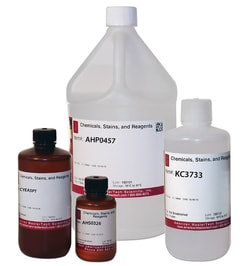
StatLab Phosphate Buffered Saline, pH 7.2
Buffers are made from the highest quality chemicals using a specialized process which ensures exact pH levels.
| Grade | Reagent |
|---|

Tris(hydroxymethyl)aminomethane 99.0+%, TCI America™
CAS: 77-86-1 Molecular Formula: C4H11NO3 Molecular Weight (g/mol): 121.136 MDL Number: MFCD00004679 InChI Key: LENZDBCJOHFCAS-UHFFFAOYSA-N Synonym: 2-Amino-2-(hydroxymethyl)-1,3-propanediol, Trimethylolaminomethane, Tris-Base PubChem CID: 6503 ChEBI: CHEBI:9754 IUPAC Name: 2-amino-2-(hydroxymethyl)propane-1,3-diol SMILES: C(C(CO)(CO)N)O
| PubChem CID | 6503 |
|---|---|
| CAS | 77-86-1 |
| Molecular Weight (g/mol) | 121.136 |
| ChEBI | CHEBI:9754 |
| MDL Number | MFCD00004679 |
| SMILES | C(C(CO)(CO)N)O |
| Synonym | 2-Amino-2-(hydroxymethyl)-1,3-propanediol, Trimethylolaminomethane, Tris-Base |
| IUPAC Name | 2-amino-2-(hydroxymethyl)propane-1,3-diol |
| InChI Key | LENZDBCJOHFCAS-UHFFFAOYSA-N |
| Molecular Formula | C4H11NO3 |

N,N-Di(2-hydroxyethyl)glycine 99.0+%, TCI America™
CAS: 150-25-4 Molecular Formula: C6H12NNaO4 Molecular Weight (g/mol): 185.16 MDL Number: MFCD00004295 InChI Key: MFBDBXAVPLFMNJ-UHFFFAOYSA-M Synonym: bicine,n,n-bis 2-hydroxyethyl glycine,diethylolglycine,dihydroxyethylglycine,diethanol glycine,n,n-di 2-hydroxyethyl glycine,bicene,2-bis 2-hydroxyethyl amino acetic acid,n,n-dihydroxyethyl glycine,n,n-dihydroxyethylglycine PubChem CID: 8761 ChEBI: CHEBI:40957 IUPAC Name: sodium 2-[bis(2-hydroxyethyl)amino]acetate SMILES: [Na+].OCCN(CCO)CC([O-])=O
| PubChem CID | 8761 |
|---|---|
| CAS | 150-25-4 |
| Molecular Weight (g/mol) | 185.16 |
| ChEBI | CHEBI:40957 |
| MDL Number | MFCD00004295 |
| SMILES | [Na+].OCCN(CCO)CC([O-])=O |
| Synonym | bicine,n,n-bis 2-hydroxyethyl glycine,diethylolglycine,dihydroxyethylglycine,diethanol glycine,n,n-di 2-hydroxyethyl glycine,bicene,2-bis 2-hydroxyethyl amino acetic acid,n,n-dihydroxyethyl glycine,n,n-dihydroxyethylglycine |
| IUPAC Name | sodium 2-[bis(2-hydroxyethyl)amino]acetate |
| InChI Key | MFBDBXAVPLFMNJ-UHFFFAOYSA-M |
| Molecular Formula | C6H12NNaO4 |

Buffer Solution, for Nitrate Determination using Ion Selective Electrode, Ricca Chemical
Nitrate Determination using Ion Selective Electrode
| Color | Colorless |
|---|---|
| Packaging | Amber Glass Bottle |
| Physical Form | Liquid |
| pH | 2.98 to 3.98 |
| Chemical Name or Material | Buffer Solution |
| Grade | Chemical Solution |
| For Use With (Application) | Ion Selective Analysis |
| Solution Type | Buffer |
| Melting Point | ∼ 0°C |

TRIS Buffer, 1 M, pH 7.50, Ricca Chemical
Ready-to-use 1 Molar TRIS buffer at pH 7.50, designed for general laboratory use.
Buffer Solution A, for Sulfate Analysis (Turbidimetric Method), Ricca Chemical
For Analysis of Sulfate (Turbidimetric Method)
| Color | Colorless |
|---|---|
| Packaging | Natural Poly Bottle |
| Physical Form | Liquid |
| Chemical Name or Material | Buffer Solution |
| Grade | Chemical Solution |
| For Use With (Application) | Sulfate Analysis (Turbidimetric Method) |
| Solution Type | Buffer |
| Melting Point | ∼ 0°C |
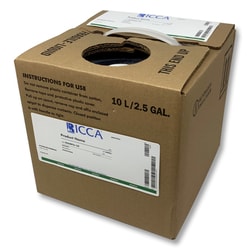
Phosphate Buffered Saline, 0.01 M, pH 7.40 at 25°C, Ricca Chemical
Phosphate Buffered Saline, 0.01 M, pH 7.40 at 25°C is non-Sterile.
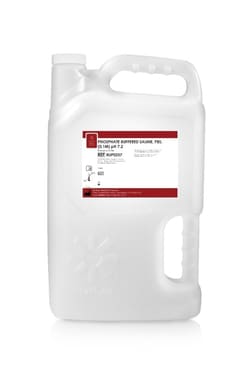
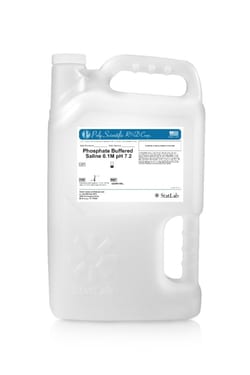
StatLab Poly Scientific Phosphate Buffered Saline 0.1M pH 7.2
For preserving tissues during surgical procedures and IHC staining procedures.

Tris(hydroxymethyl)aminomethane, ACS Reagent (Tris; THAM; 2-Amino-2-(hydroxymethyl)-1,3-propanediol), Reagents
CAS: 77-86-1 Molecular Formula: C4H11NO3 Molecular Weight (g/mol): 121.14 InChI Key: LENZDBCJOHFCAS-UHFFFAOYSA-N Synonym: Tromethamine IUPAC Name: 2-amino-2-(hydroxymethyl)propane-1,3-diol SMILES: NC(CO)(CO)CO
| CAS | 77-86-1 |
|---|---|
| Molecular Weight (g/mol) | 121.14 |
| SMILES | NC(CO)(CO)CO |
| Synonym | Tromethamine |
| IUPAC Name | 2-amino-2-(hydroxymethyl)propane-1,3-diol |
| InChI Key | LENZDBCJOHFCAS-UHFFFAOYSA-N |
| Molecular Formula | C4H11NO3 |
| Percent Purity | 99.8% to 100.2% |
|---|---|
| CAS | 77-86-1 |
| For Use With (Equipment) | Instruments and Electrodes |
| Molecular Weight (g/mol) | 121.135 |
| Physical Form | Crystalline Powder |
| pH | 10.0 to 11.5 for 5% solution |
| Grade | ACS |
| For Use With (Application) | Laboratory |
| Solution Type | Standard |

| Recommended Storage | 18° to 26°C |
|---|

AccuGENE™ MOPS, 10X Buffer Concenrate, Lonza™
Specially formulated 10X buffer ensuring lot-to-lot consistency for RNA electrophoresis with precast gels.
AccuGENE™ 1X TE Buffer, Lonza™
A ready to use solution ideal for a wide range of molecular biology applications