Promotional price valid on web orders only. Your contract pricing may differ. Interested in signing up for a dedicated account number?
Learn More

Glypican 3 Antibody (GPC3/863), Novus Biologicals™
SDP

Catalog No. NBP24448602 Shop All R&D Systems Products
Change view
Click to view available options
Quantity:
0.02 mg
0.1 mg
0.2 mg
3 product options available for selection
Product selection table with 3 available options. Use arrow keys to navigate and Enter or Space to select.
Catalog No. Quantity
NBP24448602 0.2 mg
NBP24448600 0.02 mg
NBP24448601 0.1 mg
Use arrow keys to navigate between rows. Press Enter or Space to select a product option. 3 options available.
3 options
Catalog No. NBP24448602 Supplier Novus Biologicals Supplier No. NBP2444860.2MG

Mouse Monoclonal Antibody

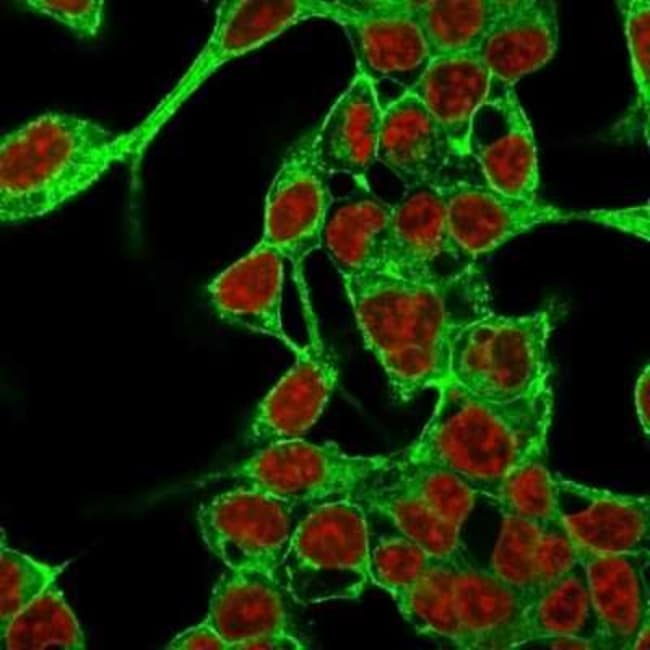
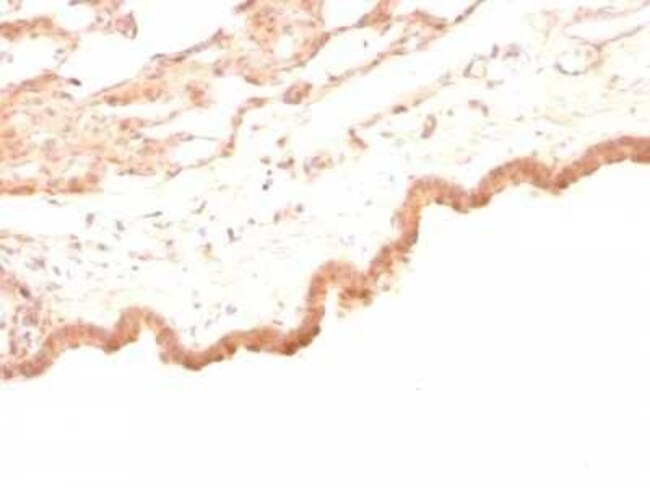
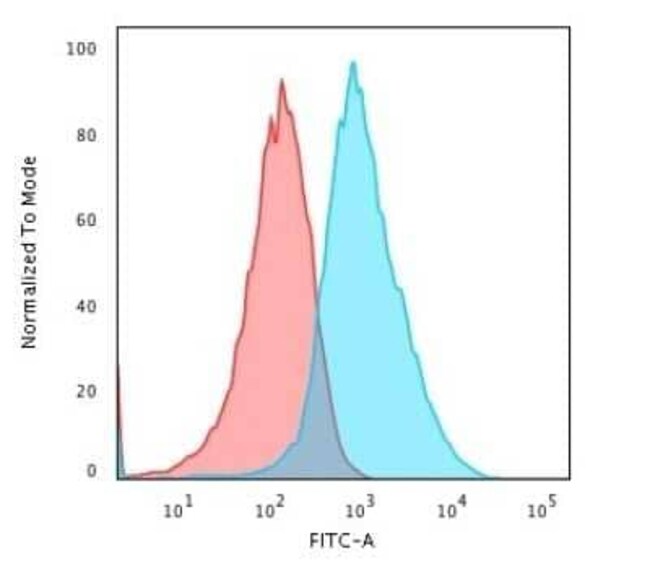
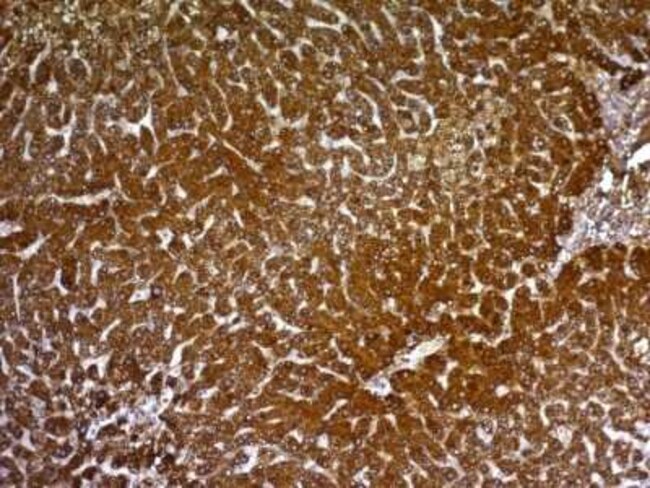
Ensure accurate, reproducible results in Flow Cytometry, Immunohistochemistry (Paraffin), Immunofluorescence

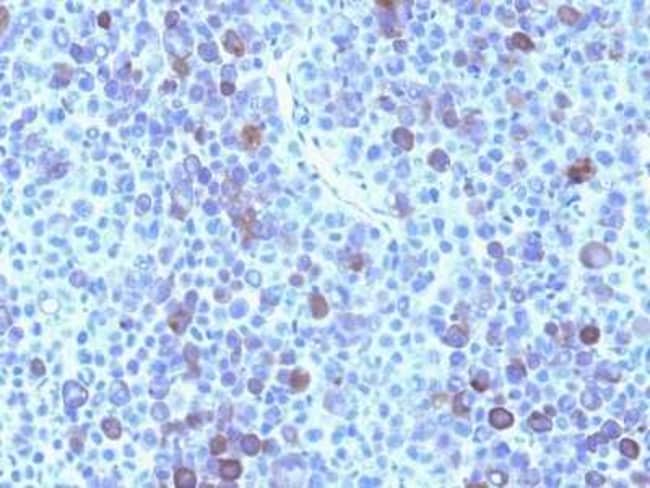
Glypican 3 Monoclonal antibody specifically detects Glypican 3 in Human, Rat samples. It is validated for Flow Cytometry, Immunohistochemistry-Paraffin, Immunofluorescence.

Specifications

Antigen Glypican 3
Applications Flow Cytometry, Immunohistochemistry (Paraffin), Immunofluorescence
Classification Monoclonal
Clone GPC3/863
Concentration 0.2mg/mL
Conjugate Unconjugated
Dilution Flow Cytometry 0.5 - 1 ug/million cells in 0.1 ml, Immunohistochemistry-Paraffin 0.5 - 1.0 ug/ml, Immunofluorescence 0.5 - 1.0 ug/ml
Formulation 1.0mM PBS and 0.05% BSA with 0.05% Sodium Azide
Gene Accession No. P51654
Gene Alias DGSX, glypican 3, glypican proteoglycan 3, glypican-3, GTR2-2, heparan sulphate proteoglycan, Intestinal protein OCI-5, MXR7, OCI5, OCI-5, secreted glypican-3, SGB, SGBS, SGBS1SDYS
Gene Symbols GPC3
Host Species Mouse
Immunogen Recombinant full-length human GPC3 protein
Molecular Weight of Antigen 67 kDa
Purification Method Protein A or G purified
Quantity 0.2 mg
Regulatory Status RUO
Primary or Secondary Primary
Gene ID (Entrez) 2719
Test Specificity Glypican-3 (GPC3) is a glycosylphospatidyl inositol-anchored membrane protein, which may also be found in a secreted form. Anti-GPC3 has been identified as a useful tumor marker for the diagnosis of hepatocellular carcinoma (HCC), hepatoblastoma, melanoma, testicular germ cell tumors, and Wilm s tumor. In patients with HCC, GPC3 is overexpressed in neoplastic liver tissue and elevated in serum, but is undetectable in normal liver, benign liver, and the serum of healthy donors. GPC3 expression is also found to be higher in HCC liver tissue than in cirrhotic liver or liver with focal lesions such as dysplastic nodules and areas of hepatic adenoma (HA) with malignant transformation. In the context of testicular germ cell tumors, GPC3 expression is up regulated in certain histologic subtypes, specifically yolk sac tumors and choriocarcinoma. A high level of GPC3 expression is also found in some types of embryonal tumors, such as Wilm s tumor and hepatoblastoma, with a low or undetectable expression in normal adjacent tissue. In patients with thyroid cancer, expression of GPC3 is dramatically enhanced in certain types of cancers: 100% in follicular carcinoma and 70% in papillary carcinoma. Expression of GPC3 in follicular carcinoma is significantly higher than that of follicular adenoma. In contrast, GPC3 is not expressed in anaplastic carcinoma.
Target Species Human, Rat
Content And Storage Store at 4C.
Form Purified
Isotype IgG1 κ
Show More Show Less

For Research Use Only

Product Title
Select an issue

By clicking Submit, you acknowledge that you may be contacted by Fisher Scientific in regards to the feedback you have provided in this form. We will not share your information for any other purposes. All contact information provided shall also be maintained in accordance with our Privacy Policy.