Learn More
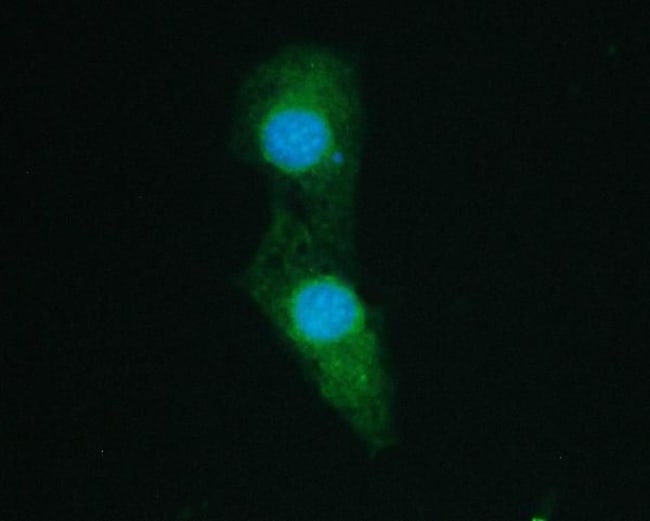
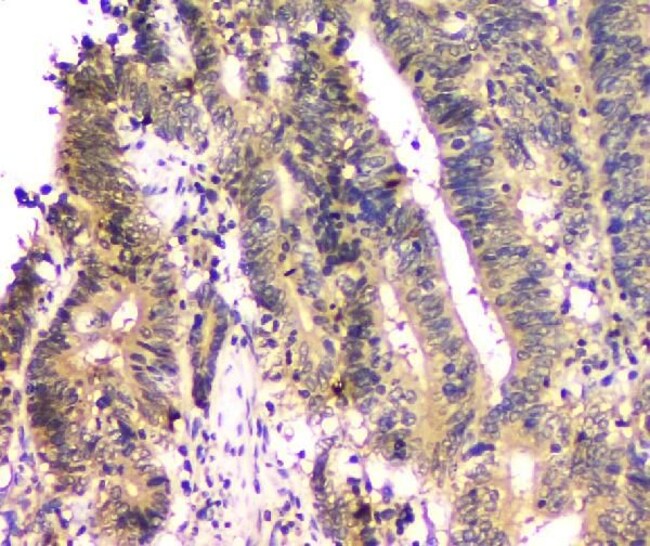
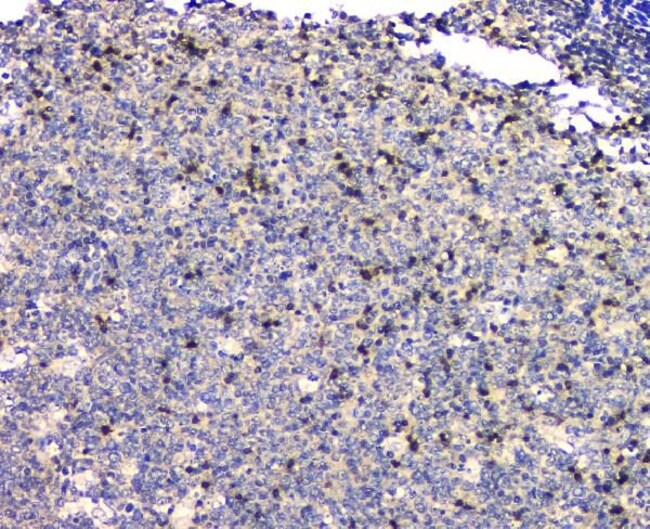
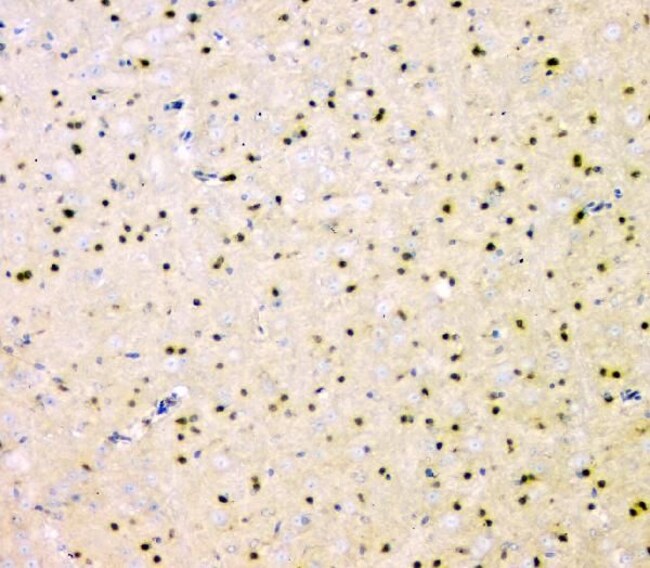


Description
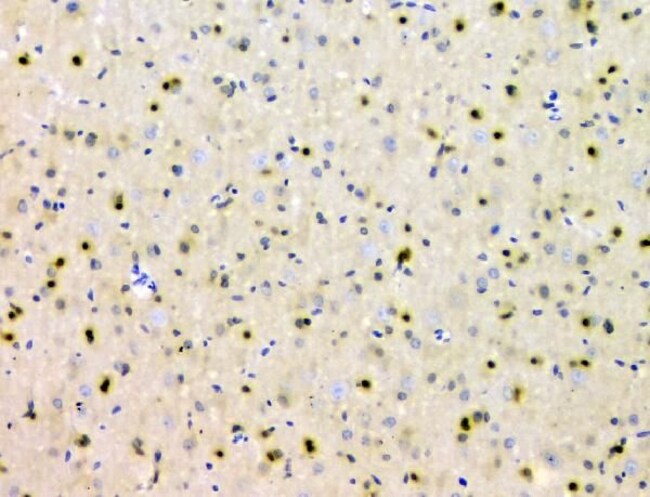
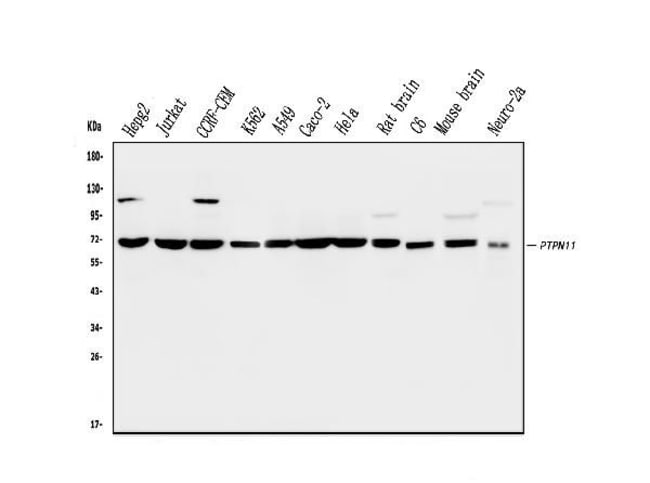
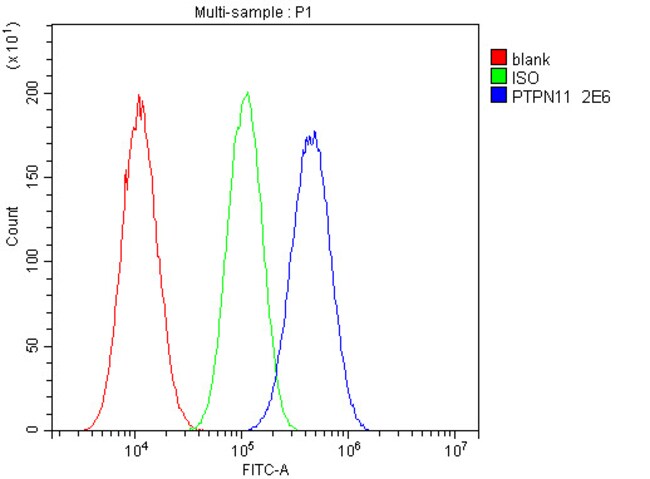
Adding 0.2 mL of distilled water will yield a concentration of 500 μg/mL. Immunogen sequence identical to the related mouse and rat sequences. Positive Control - WB: human HepG2 whole cell, human Jurkat whole cell, human CCRF-CEM whole cellhuman K562 whole cell, human A549 whole cell, human CACO-2 whole cell, human Hela whole cell, rat brain tissue, rat C6 whole cell, mouse brain tissue, mouse Neuro-2a whole cell. IHC: human colon cancer tissue, human tonsil tissue, mouse brain tissue, rat brain tissue. ICC/IF: U251 cell. Flow: A549 cell. Store at -20°C for one year from date of receipt. After reconstitution, at 4°C for one month. It can also be aliquotted and stored frozen at -20°C for six months. Avoid repeated freeze-thaw cycles.

Specifications
Specifications
| Antigen | SHP2 |
| Applications | Flow Cytometry, Immunocytochemistry, Immunohistochemistry (Paraffin), Western Blot |
| Classification | Monoclonal |
| Clone | 2E6 |
| Concentration | 500 μg/mL |
| Conjugate | Unconjugated |
| Formulation | PBS with 4mg trehalose and 0.05mg sodium azide |
| Gene | PTPN11 |
| Gene Accession No. | P35235, P41499, Q06124 |
| Gene Alias | 2700084A17Rik; AW536184; bptp3; CFC; cSH-PTP2; encodes catalytic domain; HCP; HGNC:9644; JMML; METCDS; MGC14433; Noonan syndrome 1; ns1; null; OTTHUMP00000166108; phosphotyrosyl-protein phosphatase; protein tyrosine phosphatase non-receptor type 11; protein tyrosine phosphatase SH-PTP2; protein tyrosine phosphatase, non-receptor type 11; protein tyrosine phosphatase, non-receptor type 11 (Noonan syndrome 1); protein tyrosine phosphatase, non-receptor type 11 S homeolog; protein-tyrosine phosphatase 1D; Protein-tyrosine phosphatase 2C; protein-tyrosine phosphatase SYP; PTP1C; PTP1D; PTP-1D; ptp-2; PTP2C; PTP-2C; Ptpn11; ptpn11.S; ptpn11-a; ptpn11-b; SAP-2; SH2 domain-containing protein tyrosine phosphatase-2; Shp2; shp-2; SHPTP2; SH-PTP2; SH-PTP2 protein tyrosine phosphatase non-receptor type 11; SH-PTP2 protein tyrosine phosphatase, non-receptor type 11; SH-PTP3; Syp; Tyrosine-protein phosphatase non-receptor type 11; XELAEV_18010676mg |
| Show More |
By clicking Submit, you acknowledge that you may be contacted by Fisher Scientific in regards to the feedback you have provided in this form. We will not share your information for any other purposes. All contact information provided shall also be maintained in accordance with our Privacy Policy.