
Cytiva
Science forward.
Enabling breakthroughs in science and medicine for more than 250 years, Cytiva offers high-quality products to help you make a difference in our world.
- Top Categories
- Products
- Applications
- Resources
- Special Offers
Top Categories
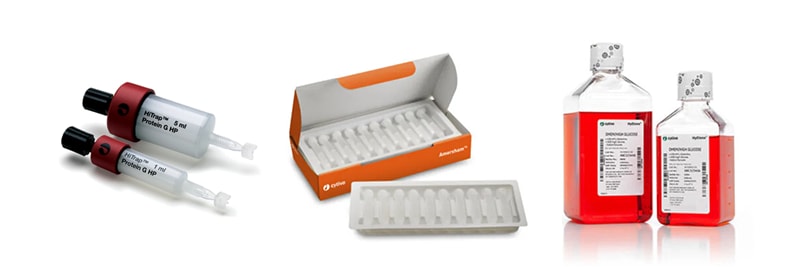
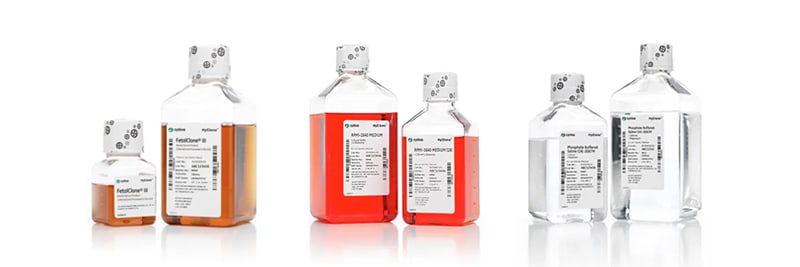
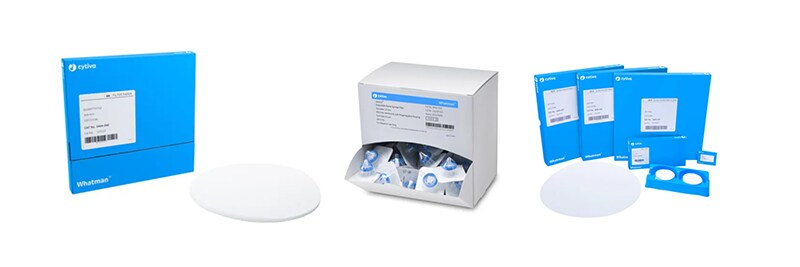
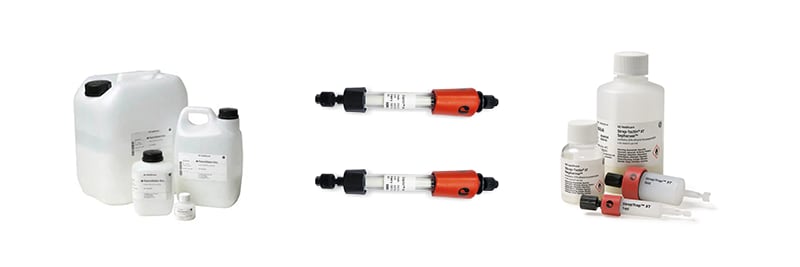
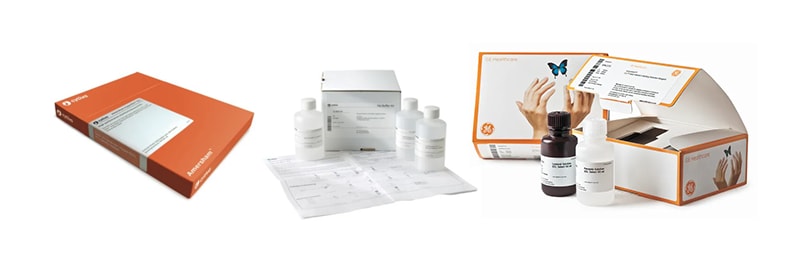
Featured Products

Catalog Number 09928106

Catalog Number 0992730D


Catalog Number 45002401
Products
Applications
- Isolation and Sequencing/Genomics
- Cell Culture
- Sample Prep/Filtration
- Protein Purification/Chromatography
- Analysis/Western Blotting
Isolation and Sequencing/Genomics
Cytiva™ biochemistry and molecular biology products are designed for DNA amplification, nucleic acid, and protein preparation applications. They also meet requirements for DNA analysis support in molecular diagnostics, immunodiagnostics, next-generation sequencing, and Sanger sequencing.
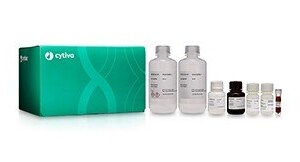
Extraction
Convenient magnetic bead-based reagents and kits for extracting and purifying genomic DNA, other DNA types, or RNA from cells, tissues, and blood.

PCR, Amplification, and Cleanup
Kits and reagents for PCR and whole genome amplification, including single-cell kits, kits for gel band purification, and magnetic bead-based and enzymatic reagents for PCR cleanup.
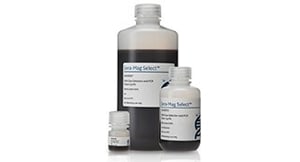
Protein Purification/Chromatography
Gravity flow columns, spin columns, and magnetic bead-based reagents for desalting and purifying nucleic acid samples.
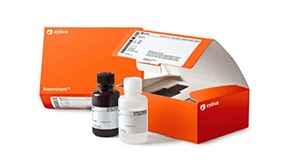
Nucleic Acid Blotting and Detection
DNA labeling kits, detection reagents, and nucleic acid stains.
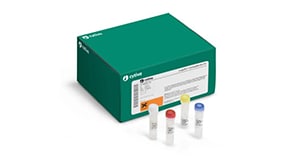
Sequencing
Kits using isothermal rolling circle amplification to efficiently prepare sequencing templates from circular DNA.
Cell Culture
Cytiva™ HyClone™ serum, media buffers, and process liquids have helped advance drug discovery and bioproduction processes since 1967 and continue to deliver quality and consistency today.
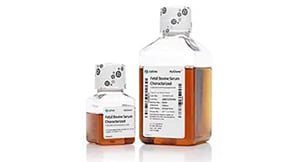
Cell Culture Serum Products
Fetal bovine serum and other natural sera, engineered sera, and serum alternatives are sterile-filtered and quality-tested to help ensure dependable and reproducible cell growth.
HyClone™ Characterized Fetal Bovine Serum (FBS), U.S. Origin
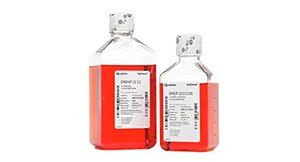
Classical Cell Culture Media
Cell culture media include inorganic salts, amino acids, carbohydrates, vitamins, and other nutrients capable of sustaining cell growth. HyClone™ media provide consistent cell culture performance in basic research and biopharmaceutical manufacturing.
HyClone™ Dulbecco’s Modified Eagle Medium (DMEM), Liquid Media
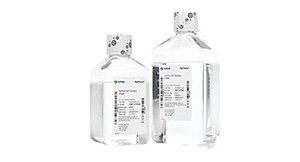
Specialty Waters, Buffers, and Salt Solutions
Waters used in cleaning or rinsing, medium and buffer preparation, and reconstitution of product. Buffers to maintain pH for cell or product integrity. Balanced salts to maintain salt concentration for cell or product integrity.
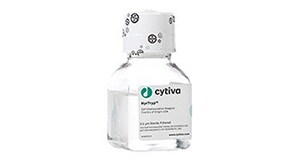
Reagents and Cell Dissociation Products
Common cell culture reagents, including HyrTryp™ and porcine trypsin cell dissociation reagents for cell detachment. A variety of premium antibiotics and selection agents to control bacterial, yeast, fungi, and mycoplasma contaminations.
Sample Prep/Filtration
Sample preparation may include centrifugation, filtration, precipitation, or desalting and buffer exchange. The Cytiva™ Whatman™ product line includes a variety of filter sizes, types, and specifications to suit your applications, equipment, and workflows. Depend on Whatman quality, consistency, reliability, and convenience to help your lab run smoothly.
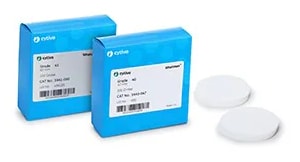
Cellulose Filter Papers
Whatman™ cellulose filters are manufactured from cotton linters that have been treated to achieve a minimum alpha cellulose content of 98%.
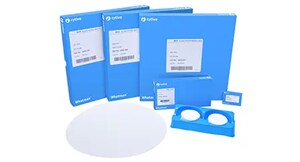
Glass and Quartz Microfiber Filters
Combine fast flow rates with high loading capacity and retention of particles down to the sub-micron range. Use glass microfiber filters at temperatures up to 550°C and quartz microfiber filters at temperatures up to 900°C.

Membrane Filters
Accurately controlled pore size distribution, strength, and flexibility for reproducibility and consistency. Available in a range of pore sizes and formats, including sterile, autoclavable packs, and colored and gridded membranes for specialized applications.

Syringe Filters
Whatman™ disposable filtration devices are suitable for many types of samples and applications. Available in a variety of membrane choices and polypropylene or polycarbonate housings.
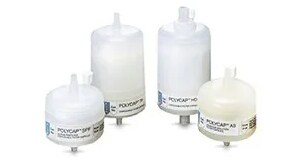
Capsule Filters
For research and pilot manufacturing or filtering large volumes or hard-to-filter samples, Whatman™ capsules are made with tightly controlled pore size specifications and pleated to help maximize surface area.
Protein Purification/Chromatography
Choose from the Cytiva™ portfolio to support your purification needs. Including Cytiva™ Sephadex™, the resin that revolutionized protein purification and the newest magnetic bead-based technology. Find products to support your affinity purification, gel filtration, desalting, ion exchange, and hydrophobic interaction procedures.
- Loose media up to 500 g
- Cytiva™ HiTrap™, SpinTrap™, GraviTrap™, and Tricorn™ chromatography columns
- Pre-packed columns for convenience and efficiency
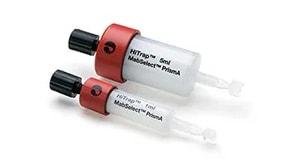
Affinity
Protein A resin providing enhanced alkaline stability and binding capacity for monoclonal antibody purification.

Size Exclusion
Dextran-agarose composite matrix well suited for high-resolution analysis and small-scale purification of monoclonal antibodies and other biomolecules with Mr~ 10 000 to ~ 600 000.

Desalting and Buffer Exchange
Ready-to-use columns prepacked with Sephadex G-25 Superfine resin for fast and convenient desalting and buffer exchange.
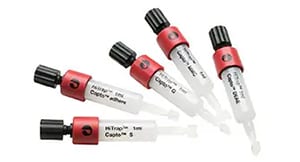
Ion Exchange
Designed for screening the optimal Capto ion exchange or Cytiva multimodal chromatography resin prior to scale-up.

Hydrophobic Interaction
Ready-to-use HiTrap columns for resin screening and small-scale protein purification.
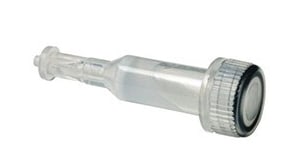
Immunoprecipitation
For simple, small-scale monoclonal and polyclonal antibody purification, immunoprecipitation, or enrichment of specific proteins in prepacked, single-use spin columns.
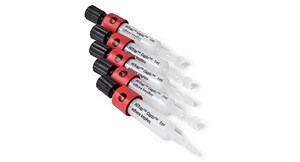
Multimodal
Strong anion exchange resin supports effective monoclonal antibody polishing in the second or third step of a purification scheme downstream of the protein A capture step.
Analysis/Western Blotting
Cytiva™ Amersham™ products help you analyze proteins using electrophoresis, blotting, and imaging techniques.
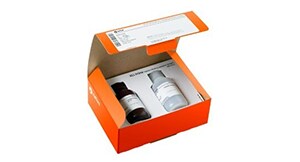
ECL Detection Reagents
Cytiva™ Amersham™ ECL™ Start is a chemiluminescent kit designed for routine western blotting applications. Combined with Cytiva Amersham ECL Select, the most sensitive Cytiva formulation for qualitative and quantitative analysis, you’ll have a solution optimized for your research needs.
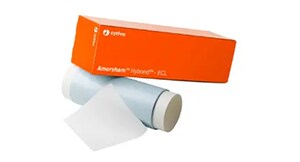
Amersham Hybond and Protran Membrane
Choose from an extensive range of blotting membranes made of nitrocellulose, PVDF, or nylon with pore sizes from 0.1 to 0.45 µm to suit your applications. These are the Cytiva™ Hybond™, BA83, and BA85 membranes you’ve known for years, now available in longer roll lengths.
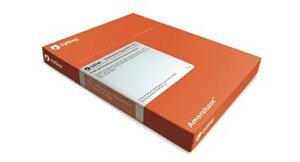
Amersham Hyperfilm
Cytiva™ Amersham™ Hyperfilm™ ECL™ low-background films are suitable for use with all blue and green light chemiluminescent systems and validated for use with Cytiva™ Amersham™ ECL™, Cytiva™ Amersham™ ECL™ Advance™, and Cytiva™ CDP-Star™ reagents
Resources
- Filename
- nlsu-uscan-2026-fisher-cy56602-18dec25-fl-1.pdf
- Size
- 409 KB
- Format
- application/pdf
- Filename
- via-extractor-fisher-uscan-cy57134-18dec25-fl-1.pdf
- Size
- 324 KB
- Format
- application/pdf
- Filename
- uscan-fisher-wine-cy48683-23jan25-fl.pdf
- Size
- 704 KB
- Format
- application/pdf
- Filename
- which-hyclone-serum-fisher-cy54392-23sep25-fl.pdf
- Size
- 302 KB
- Format
- application/pdf
- Filename
- a-kta-start-system-flyer-fisher-uscan-cy47511-29jul25-fl.pdf
- Size
- 411 KB
- Format
- application/pdf
- Filename
- sera-mag-select-fisher-uscan-cy55198-23sep25-fl.pdf
- Size
- 350 KB
- Format
- application/pdf
- Filename
- fisher-protein-select-cy54422.pdf
- Size
- 423 KB
- Format
- application/pdf
- Filename
- akta-collateral-fisher-uscan-cy37133-03feb25-fl.pdf
- Size
- 744 KB
- Format
- application/pdf
- Filename
- uscan-fisher-brewing-cy48458-23jan25-fl.pdf
- Size
- 686 KB
- Format
- application/pdf
- Filename
- uscan-fisher-water-cy48453-23jan25-fl.pdf
- Size
- 800 KB
- Format
- application/pdf
Special Offers
About Cytiva
Cytiva is a global provider of technologies and services that help advance and accelerate the development and manufacture of therapeutics. With a heritage of innovation, they continue to move forward, building on the brands you’ve come to rely on for quality and reliability. Their diverse portfolio includes the well-recognized ÄKTA, Amersham, HyClone, MabSelect, Sera-Mag, and Whatman brands. Cytiva brings speed, efficiency, and capacity to life sciences research and production, enabling the delivery of transformative medicines to patients.