
ELISA Substrates and Reagents


Cayman Chemical p38α MAPK-IN-1, Purity: ≥98%, CAS: 443913-15-3, 25 mg
A p38α MAPK inhibitor (IC50 = 5,500 nM in an HTRF assay); inhibits LPS-induced TNF-α production in THP-1 cells (EC50 = 6,200 nM); has been used in the study of p38α MAPK inhibitor binding interactions and kinetics

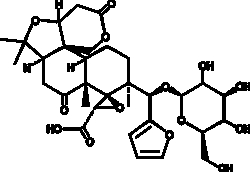
Cayman Chemical Limonin 17-β-D-Glucopyranoside, Purity: ≥95%, CAS: 123564-61-4, 1 mg
A furanolactone with anticancer activity; induces apoptosis and disrupts the mitochondrial membrane potential in SW480 cells at 100 µM; inhibits the proliferation of MDA-Panc-28 cells (IC50 = 20.49 µM)
Genscript Corporation CEACAM-6/CD66c His Cynomolgu
Carcinoembryonic antigen-related cell adhesion molecule 6 (CEACAM6) belongs to the human carcino-embryonic antigen (CEA) family Numerous lines of studies have indicated that altered expression of CEACAM6 may have a role in carcinogenesis and development


ABclonal Technology Phospho-MAX-S11 Rabbit pAb

The protein encoded by this gene is a member of the basic helix-loop-helix leucine zipper (bHLHZ) family of transcription factors. It is able to form homodimers and heterodimers with other family members, which include Mad, Mxi1 and Myc. Myc is an oncoprotein implicated in cell proliferation, differentiation and apoptosis. The homodimers and heterodimers compete for a common DNA target site (the E box) and rearrangement among these dimer forms provides a complex system of transcriptional regulation. Mutations of this gene have been reported to be associated with hereditary pheochromocytoma. A pseudogene of this gene is located on the long arm of chromosome 7. Alternative splicing results in multiple transcript variants.

ABclonal Technology Phospho-EEF2K-S366 Rabbit pAb
This gene encodes a highly conserved protein kinase in the calmodulin-mediated signaling pathway that links activation of cell surface receptors to cell division. This kinase is involved in the regulation of protein synthesis. It phosphorylates eukaryotic elongation factor 2 (EEF2) and thus inhibits the EEF2 function. The activity of this kinase is increased in many cancers and may be a valid target for anti-cancer treatment.
Genscript Corporation CEACAM-5/CD66eBiotin His
Carcinoembryonic antigen-related cell adhesion molecule 5 (CEACAM5) was identified as a metastatic driver CEACAM5 overproduction enriched for an epithelial gene expression pattern and facilitated tumor outgrowth at metastatic sites Tissues from patients with metastatic breast cancer confirmed elevated levels of CEACAM5 in lung metastases relative to breast tumors and an inverse correlation between CEACAM5 and the mesenchymal marker vimentin was demonstrated

Cayman Chemical Decorin Long Isoform (human, recombinant), Purity: ≥95% estimated by SDS-PAGE, 1 mg
Source: Recombinant human C-terminal His-tagged decorin expressed in HEK293 cells • Amino acids: 17-359 • MW: 39.4 kDa

ABclonal Technology Phospho-CDK1-T161 Rabbit pAb
The protein encoded by this gene is a member of the Ser/Thr protein kinase family. This protein is a catalytic subunit of the highly conserved protein kinase complex known as M-phase promoting factor (MPF), which is essential for G1/S and G2/M phase transitions of eukaryotic cell cycle. Mitotic cyclins stably associate with this protein and function as regulatory subunits. The kinase activity of this protein is controlled by cyclin accumulation and destruction through the cell cycle. The phosphorylation and dephosphorylation of this protein also play important regulatory roles in cell cycle control. Alternatively spliced transcript variants encoding different isoforms have been found for this gene.

ABclonal Technology Phospho-PEA15-S104 Rabbit pAb
This gene encodes a death effector domain-containing protein that functions as a negative regulator of apoptosis. The encoded protein is an endogenous substrate for protein kinase C. This protein is also overexpressed in type 2 diabetes mellitus, where it may contribute to insulin resistance in glucose uptake. Alternative splicing results in multiple transcript variants.
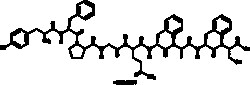
Cayman Chemical Chemerin-9 (human) (acetate), Purity: ≥95%, 5 mg
A peptide agonist of CMKLR1 and CMKLR2; binds to CMKLR1 and CMKLR2 (IC50s = 1.9 and 2.3 nM, respectively); induces calcium mobilization in HEK293T cells expressing either CMKLR1 or CMKLR2 and the G protein Gα15 at 1 µM

ABclonal Technology Phospho-Akt-S473 Rabbit pAb
The serine-threonine protein kinase encoded by the AKT1 gene is catalytically inactive in serum-starved primary and immortalized fibroblasts. AKT1 and the related AKT2 are activated by platelet-derived growth factor. The activation is rapid and specific, and it is abrogated by mutations in the pleckstrin homology domain of AKT1. It was shown that the activation occurs through phosphatidylinositol 3-kinase. In the developing nervous system AKT is a critical mediator of growth factor-induced neuronal survival. Survival factors can suppress apoptosis in a transcription-independent manner by activating the serine/threonine kinase AKT1, which then phosphorylates and inactivates components of the apoptotic machinery. Mutations in this gene have been associated with the Proteus syndrome. Multiple alternatively spliced transcript variants have been found for this gene. [provided by RefSeq, Jul 2011]

Bioss JNK - Thr-183/Tyr-185 Phospho
JNK (Thr-183/Tyr-185) Primary Antibody Unconjugated Host Species Mouse Target Species Human Mouse Rat Clonality Monoclonal Applications WB M268Concentration Size 100 ul Storage Buffer PBS 1 mg/ml BSA 0 05% NaN3 and 50% glycerol
Cayman Chemical THUNDRTotal RPS6 TRFRET C 96
Sandwich TR-FRET immunoassay for semi-quantitative detection of Total Ribosomal Protein S6 (both phosphorylated and non-phosphorylated RPS6) in cell lysates.