Incubator Accessories
- (12)
- (7)
- (17)
- (21)
- (1)
- (13)
- (21)
- (1)
- (1)
- (1)
- (126)
- (1)
- (1)
- (1)
- (43)
- (148)
- (1)
- (1)
- (186)
- (10)
- (6)
- (6)
- (5)
- (4)
- (1)
- (1)
- (3)
- (3)
- (2)
- (1)
- (4)
- (1)
- (1)
- (1)
- (8)
- (3)
- (4)
- (1)
- (6)
- (1)
- (6)
- (1)
- (18)
- (3)
- (1)
- (1)
- (1)
- (1)
- (2)
- (1)
- (3)
- (3)
- (2)
- (1)
- (2)
- (1)
- (1)
- (3)
- (1)
- (1)
- (1)
- (2)
- (1)
- (1)
- (3)
- (1)
- (1)
- (1)
- (1)
- (1)
- (2)
- (2)
- (2)
- (1)
- (1)
- (4)
Filtered Search Results
Diagnostic Biosystems 10X EDTA BUFFER PH 80 10X EDTA Buffer For Heat Induced Epitope Recovery, pH 8.0
10X EDTA Buffer For Heat Induced Epitope Recovery, pH 8.0 is designed for use during the heat induced epitope retrieval (HIER) step prior to immunohistochemistry on formalin-fixed paraffin embedded tissue sections. The use of this buffer in combination with heat (often by microwave, water bath, or pressure cooker) has been shown to restore the antigenicity of proteins modified during the formalin fixation of tissue. This buffer is supplied as a 10X stock solution.
Non-distribution item offered as a customer accommodation; additional freight charges may apply.
Learn More
Diagnostic Biosystems GATA3 GATA3
GATA3 binding protein 3 or GATA3, is a zinc finger transcription factor and plays an important role in promoting and directing cell proliferation, development, and differentiation in many tissues and cell types. The human GATA3 gene has been mapped to chromosome 10p15. GATA =3 expression is primarily seen in breast carcinoma and urothelial carcinoma. Anti-GATA3 can also be useful in the identification of unknown primary carcinoma when carcinomas of the breast or bladder are a possibility
Non-distribution item offered as a customer accommodation; additional freight charges may apply.
Learn More
Diagnostic Biosystems CALDESMON Caldesmon
This antibody is specific to high molecular weight (120-150 kDa) h-caldesmon. Caldesmon is involved in smooth muscle and non-muscle contraction. Two closely related variants of human caldesmon have been identified. The hcaldesmon variant is predominantly expressed in smooth muscle, whereas lcaldesmon (71-80 kD) is found in non-muscle tissue and cells.
Non-distribution item offered as a customer accommodation; additional freight charges may apply.
Learn More
Diagnostic Biosystems CALRETININ H-5 Calretinin (H-5)
Calbindin D28K and Calretinin (also designated CR or 29 kDa Calbindin) are two closely related intracellular calcium-binding proteins belonging to the Troponin-C superfamily. Initially isolated from chick retina. Calretinin is an intracellular calcium-binding protein belonging to the troponin C superfamily characterized by a structural motif described as the EF-hand domain. The immunohistochemical detection of calretinin in developing cerebellum is restricted to the later stages indicated by weak staining from week 21 of gestation in Purkinje and basket cells and in neurons of the dentate nucleus. The intensity of staining increases as the cerebellum matures. In tumors, calretinin has been detected in mesotheliomas and some pulmonary adenocarcinomas.\n
Non-distribution item offered as a customer accommodation; additional freight charges may apply.
Learn More
Diagnostic Biosystems CD8 T-CELL CD8 (SP16)
This antibody recognizes the CD8. The CD8 molecule consists of two chains, α and β, which are expressed as a disulphide-linked α/β heterodimer or as an α/α homodimer on T cell subset, thymocytes and NK cells. The majority of CD8+ T cells express CD8 as α/β heterodimer. CD8 functions as a coreceptor in concert with TCR for binding the MHC class I/peptide complex. The HIV-2 envelope glycoprotein binds CD8 α chain (but not β chain).
Non-distribution item offered as a customer accommodation; additional freight charges may apply.
Learn More
Diagnostic Biosystems MOUSE AND RABBIT LINK Desmin (D33)
Cytoskeletal intermediate filaments (IFs) constitute a diverse group of proteins that are expressed in a highly tissue-specific manner. IFs are constructed from two-chain α-helical coiled-coil molecules arranged on an imperfect helical lattice, and have been widely used as markers for distinguishing individual cell types within a tissue and identifying the origins of metastatic tumors. Vimentin is an IF general marker of cells originating in the mesenchyme. Vimentin and Desmin, a related class III IF, are both expressed during skeletal muscle development. Desmin, a 469 amino acid protein found near the Z line in sarcomeres, is expressed more frequently in adult differentiated state tissues. Anti-desmin detects cells of normal smooth, skeletal, and cardiac muscles. Antibody reacts with leiomyomas, leiomyosarcoma, rhabdomyomas, rhabdomyosarcoma, and perivascular cells of glomus tumors of the skin.
Non-distribution item offered as a customer accommodation; additional freight charges may apply.
Learn More
Diagnostic Biosystems CD117/C-KIT CD117/c-kit
This antibody reacts with a 145 kDa protein. CD117/c-kit is a transmembrane receptor tyrosine kinase and is expressed in many tissues and cells. CD117/ckit is involved in the development of several lineages of stem cells, such as germ cells, neural crest derived melanocytes and hematopoietic precursor cells. This antibody can be used in the identification of gastrointestinal stromaltumors.
Non-distribution item offered as a customer accommodation; additional freight charges may apply.
Learn More
Diagnostic Biosystems CD5 CD5 (SP19)
This antibody recognizes CD5, which is a transmembrane protein, is found on 95%of thymocytes and 72% of peripheral blood lymphocytes. In lymph nodes, the main reactivity is observed in T cell areas. CD5 is expressed by many T cell leukemia, lymphomas, and activated T cells. Occasionally, CD5 antigen is also expressed on a subset of B cells. Mantle cell lymphomas(same as diffuse centrocytic lymphomas) are CD5(+) while the follicle center cell lymphoma are CD5(-).
Non-distribution item offered as a customer accommodation; additional freight charges may apply.
Learn More
Diagnostic Biosystems ROS1 ROS1
ROS1 rearrangements occur infrequently in lung ACA, however given the frequency of lung cancer in the population, ROS1-rearranged tumors represent a significant number of cancer patients. ROS1 gene rearrangements are reported in 1–2% of lung adenocarcinomas (ACA) and are associated with response to the multitargeted tyrosine kinase inhibitor, crizotinib. ROS IHC can be readily incorporated into the diagnostic surgical pathology workup of lung adenocarcinoma, with results confirmed by FISH as needed.
Non-distribution item offered as a customer accommodation; additional freight charges may apply.
Learn More
Diagnostic Biosystems BAP1 BAP1 (BAP1/2667)
BAP1 (BRCA1-Associated Protein 1) was initially identified as a protein that binds to BRCA1. BAP1 is a tumor suppressor that is believed to mediate its effects through chromatin modulation, transcriptional regulation, and possibly via the ubiquitin-proteasome system and the DNA damage response pathway. Germline mutations of BAP1 confer increased susceptibility for the development of several tumors, including uveal melanoma, epithelioid atypical Spitz tumors, cutaneous melanoma, and mesothelioma. Somatic BAP1 mutations are seen in cutaneous melanocytic tumors (epithelioid atypical Spitztumors and melanoma), uveal melanoma, mesothelioma, clear cell renal cell carcinoma, and other tumors. BAP1 immunohistochemistry is particularly useful in differentiating malignant mesothelioma (nuclear negative) vs. reactive mesothelial proliferation (nuclear positive).
Non-distribution item offered as a customer accommodation; additional freight charges may apply.
Learn More
Diagnostic Biosystems PERMAGREEN/HRP PermaGreen/HRP
PermaGreen™/HRP is a substrate-chromogen system designed to be used for either IHC or ISH when utilizing horseradish peroxidase. PermaGreen™/HRP can be permanently mounted to produce a bright green color that can be easily distinguished from other stains.
Non-distribution item offered as a customer accommodation; additional freight charges may apply.
Learn More
Diagnostic Biosystems SATB2 SATB2 (EP 281)
Special AT-rich sequence-binding protein 2 (SATB2) is a recently described marker that functions as a nuclear matrix-associated transcription factor. It has been reported that SATB2, in combination with CK20, could identify almost all colorectal carcinomas, including poorly differentiated colorectal carcinomas. Upper gastrointestinal (GI) carcinomas and pancreatic ductal carcinomas are usually negative for SATB2, and ovarian carcinomas, lung adenocarcinomas, and adenocarcinomas from other origin are rarely positive for SATB2. Therefore, SATB2 is a good marker for identifying a carcinoma of colorectal origin when working on a tumor of unknown primary. It can help differentiate colorectal metastasis (SATB2+) from primary pulmonary adenocarcinoma of mucinous or enteric type (SATB2- but often CDX2+)\n
Non-distribution item offered as a customer accommodation; additional freight charges may apply.
Learn More
Diagnostic Biosystems CYCLIN D1 Cyclin D1 (EP12)
Cyclin D1 belongs to the Cyclin D family. Cyclin D1 is required for the cell cycle G1/S transition. Amplification or overexpression of Cyclin D1 plays a pivotal role in the development of various human cancers including breast cancer, colon cancer, melanoma, prostate cancer and lymphoma. It is useful to differentiate mantle cell lymphoma from small cleaved cell lymphoma. Rabbit monoclonal antibodies to Cyclin D1 showed the highest sensitivity to detect this antigen in formalin fixed paraffin embedded tissue as compared to several other clones.
Non-distribution item offered as a customer accommodation; additional freight charges may apply.
Learn More
Diagnostic Biosystems BROAD SPECTRUM Broad Spectrum Negative Control
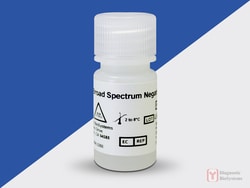
Negative controls are used to determine the specificity of an antibody. No staining should be observed when the primary antibody is omitted. This product is specifically designed to work with rabbit, mouse and goat antibodies. The Broad Spectrum Negative Control has been titered to work with Polymer-based Secondary Systems in manual and automated IHC platforms. This product is specifically designed to work with rabbit, mouse and goat antibodies. The Broad Spectrum Negative Control has been titered to work with Polymer-based Secondary Systems in manual and automated IHC platforms.
Non-distribution item offered as a customer accommodation; additional freight charges may apply.
Learn More
Diagnostic Biosystems S-100 S100 (4C4.9)
S100 belongs to the family of calcium binding proteins and S100A and S100B are two members of the S100 family. S100A is composed of an alpha and beta chain whereas S100B is composed of two beta chains. This antibody stains with S-100 protein. S-100 protein has been found in normal melanocytes, Langerhans cells, histiocytes, chondrocytes, lipocytes, skeletal and cardiac muscle, Schwann cells, epithelial and myoepithelial cells of the breast,salivary and sweat glands, as well as glial cells. A large number of welldifferentiated tumors of salivary gland, adipose and cartilaginous tissue, and Schwann cell-derived tumors express S-100 protein. Almost all malignant melanomas and cases of histiocytosis X are positive for S-100 protein. S100 is of great value in the identification of several neoplasms, particularly melanomas and their metastases.
Non-distribution item offered as a customer accommodation; additional freight charges may apply.
Learn More