
Sugar acids and derivatives

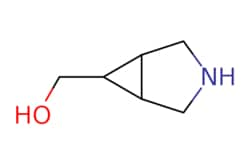
eMolecules 134575-13-6 | exo-3-Azabicyclo[3.1.0]hexan-6-ylmethanol | MFCD12405012 | 250mg
AstaTech | COPPERBIS[111-TRIFLUORO-N-[(TRIFLUOROMETHYL)SULFONYL-KO]METHANESULFONAMIDATO-KO]- | 0.25g | 718063552 | D89521 | 95.000 | 162715-14-2 | 623.820 | C4CuF12N2O8S4
If you are unable to find the chemical you are looking for, make sure you are logged into your fishersci.com account and click on the following link:
eMolecules Building Block Tool


eMolecules 2007919-32-4 | 3-AZABICYCLO[3.1.0]HEXANE-1-CARBONITRILE HBR | AstaTech | MFCD30471580 | 189.056 | C6H9BrN2 | 95.000 | Br.N#CC12CC1CNC2 | 1g | 290683369
3-AZABICYCLO[3.1.0]HEXANE-1-CARBONITRILE HBR | AstaTech | 2007919-32-4 | MFCD30471580 | 189.056 | C6H9BrN2 | 95.000 | Br.N#CC12CC1CNC2 | 1g | 290683369

Medchemexpress LLC Protac α-synuclein degrader 5 | 2781922-42-5 | 100.0% | 767.78 g/mol | C39H41N7O10 | 10 MG

PROTAC α-synuclein degrader 5 is a small-molecule PROTAC designed to selectively target and promote degradation of α-synuclein aggregates in cellular models. Supplied as a high-purity solid for preclinical research, it shows dose-dependent activity in fibril-seeding assays and is formulated for in vitro and in vivo use.
- Selective degradation of α-synuclein aggregates (DC50 ≈ 7.5 μM, Dmax 89%).
- Demonstrated reduction of aggregates within 48 hours in PFF seeding cell models.
- High-purity solid suitable for biochemical and cellular assays.
- High solubility in DMSO for in vitro applications (≥100 mg/mL).
- Compatible with in vivo formulation protocols and frozen storage for stability.
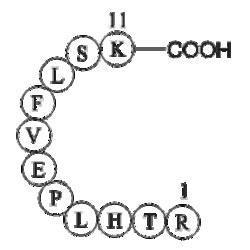
Apexbio Technology LLC vitamin D binding protein precursor (353-363) [Homo sapiens] 10mg
Vitamin D binding protein precursor 353-363 is a serum glycoprotein fragment derived from Homo sapiens It is associated with vitamin D binding protein (DBP) a plasma protein that binds vitamin D metabolites and actin monomers mediating transport in the bloodstream and regulation of extracellular actin levels DBP is present on surfaces of various immune cell types including B and T lymphocytes as well as placental cytotrophoblasts Based on these pharmacological properties vitamin D binding protein precursor 353-363 holds research potential in studies of vitamin D metabolism immune regulation and cytoskeletal interactions

Medchemexpress LLC JBI-589 | 2308504-22-3 | 99.8% | 481.56 g·mol⁻¹ | C29H28FN5O | 10 MG
JBI-589 is a non-covalent, isoform-selective inhibitor of peptidylarginine deiminase 4 (PAD4) with oral bioavailability, developed for preclinical cancer and immunology research. It reduces CXCR2 expression, blocks neutrophil chemotaxis, and has shown activity in reducing primary tumor growth and metastasis in experimental studies.
- Selective PAD4 inhibition with demonstrated activity in cellular assays.
- Orally bioavailable small molecule suitable for in vivo studies.
- High chemical purity for research use.
- Soluble in DMSO at high concentrations (requires sonication).
- Stable when stored under recommended powder and solvent conditions.

Medchemexpress LLC Heparin calcium | 37270-89-6 | MFCD00131296 | ≥98.0% | 3600-5000 | Not specified (heterogeneous polysaccharide; no single chemical formula) | 25 MG
Heparin calcium (MW 3600-5000) is a low-molecular-weight heparin anticoagulant supplied for research use. It binds antithrombin III to inactivate thrombin and other activated clotting factors, preventing fibrin formation. The material is provided as a white to off-white solid with good aqueous solubility and is intended for laboratory assays involving anticoagulation or coagulation pathway studies.
- Intended for research use only.
- Anticoagulant that binds antithrombin III to inhibit coagulation.
- Molecular weight range 3600-5000.
- Supplied as a white to off-white solid.
- Soluble in water (≈200 mg/mL with ultrasonication).
- Store sealed and dry at 4 °C; in solution, store at -20 °C to -80 °C per guidelines.
- Typical purity ≥98% (batch-specific certificate of analysis available).
- Available in small laboratory package sizes (example: 25 mg).
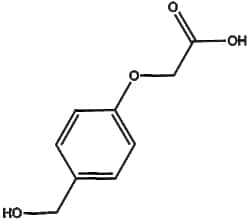
Apexbio Technology LLC HMP Linker 68858-21-9 100g
HMP Linker is an acid-sensitive linker used in solid-phase peptide synthesis (SPPS) It is designed to facilitate the covalent attachment of peptide carboxy-terminal residues to solid-phase resin supports and enables controlled cleavage of synthesized peptides under mildly acidic conditions thereby preserving the structural integrity of sensitive functional groups and peptide termini HMP Linker acts primarily by hydrolyzing upon acid catalysis which allows the intact release of peptides from resin supports Based on these properties HMP Linker holds research potential in peptide therapeutics synthesis and studies requiring mild peptide cleavage conditions
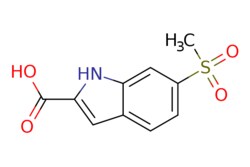
eMolecules 383132-63-6 | 6-(Methylsulfonyl)-1h-indole-2-carboxylic acid | Combi-Blocks | MFCD02664464 | 239.250 | C10H9NO4S | 96.000 | CS(=O)(=O)c1ccc2cc([nH]c2c1)C(O)=O | 1g | 401039913
6-(Methylsulfonyl)-1h-indole-2-carboxylic acid | Combi-Blocks | 383132-63-6 | MFCD02664464 | 239.250 | C10H9NO4S | 96.000 | CS(=O)(=O)c1ccc2cc([nH]c2c1)C(O)=O | 1g | 401039913

Medchemexpress LLC Integrin alpha 8 bet 500ug
Integrin -8/ -1 coordinates the recruitment of mesenchymal cells during renal organogenesis and recognizes RGD sequences in ligands such as TNC FN1 SPP1 TGFB1 TGFB3 and VTN It plays a role in multiple cellular interactions critical for organogenesis including NPNT as a functional ligand in nephrogenesis Integrin alpha 8 beta 1 Protein Human (HEK293 Flag His) is a recombinant protein dimer complex containing human-derived Integrin alpha 8 beta 1 protein expressed by HEK293 with C-10 His C-Flag labeled tag Integrin alpha 8 beta 1 Protein Human (HEK293 Flag His) has molecular weight of 85-140 kDa

Medchemexpress LLC β-D-glucopyranosiduronic acid derivative (p-nitrophenyl carbonate methyl ester) | 894095-98-8 | MFCD31715405 | 99.2% | 913.83 | C45H43N3O18 | 100 MG
β-D-glucuronide-pNP-carbonate is a cleavable antibody-drug conjugate (ADC) linker used as a building block in the synthesis of ADCs. It features a p-nitrophenyl (pNP) carbonate leaving group attached to a β-D-glucuronide moiety, enabling enzymatic or chemical cleavage to release payloads for targeted delivery. Intended for research use only.
- Cleavable glycosidase-sensitive linker for controlled payload release.
- p-Nitrophenyl carbonate activation enables facile coupling to amines.
- High purity suitable for synthetic and medicinal chemistry workflows.
- Available as a solid reagent in small research quantities for laboratory use.

BIOHIPPO T-bet-TAR-Puro LV
T-bet-TAR-Puro is a transcription factor reporter lentiviral vector designed to monitor the target signaling pathway in living cells The construct carries a fluorescent reporter gene under the control of pathway responsive elements and includes a puromycin selection marker to generate stable cell pools The lentivirus is provided as a ready to use VSV G pseudotyped preparation for efficient gene delivery and stable genomic integration Each vial provides a nominal titer of 5x10E6 transducing units TU Typical applications include pathway activation studies assay development compound screening and mechanism of action research The system is suitable for human and mouse cells and can be read using standard fluorescence microscopy flow cytometry or luciferase assays depending on the reporter gene This product is intended for research use only and is not for diagnostic or therapeutic procedures

Medchemexpress LLC 4-Methylumbelliferyl sulfate potassium | 15220-11-8 | 99.3% | 294.32 | 500 MG
4-Methylumbelliferyl sulfate (potassium) is a fluorescent substrate used to detect sulfatase activity in biochemical and biomedical research. It consists of a sulfate group attached to a fluorescent molecule, which is cleaved by sulfatase enzymes. Upon cleavage, it releases a highly fluorescent product detectable by fluorescence microscopy or spectroscopy. This allows for accurate detection and quantification of these enzymes in various biological samples. It is for research use only and not sold to patients.
- Fluorescent substrate
- Detects sulfatase activity in biochemical and biomedical research
- Releases a highly fluorescent product upon cleavage by sulfatase enzymes
- Allows accurate detection and quantification of sulfatase enzymes in biological samples
Medchemexpress LLC 4-Methylumbelliferyl-2-acetamido-2-deoxy-β-D-glucopyranoside | 37067-30-4 | 100.0% | 379.36 | 50 MG
4-Methylumbelliferyl-2-acetamido-2-deoxy-β-D-Glucopyranoside is a fluorogenic substrate used in N-acetyl-β-D-glucosaminidase research. This compound helps assess enzyme functionality by its ability to remove terminal β-glycosidically bound N-acetylglucosamine and N-acetylgalactosamine residues from the substrate. It is intended for research use only. For optimal preservation, solid material should be stored at 4°C, protected from light. In solvent, store at -80°C for 6 months or -20°C for 1 month, also protected from light.
- Purity: 99.95%
- Molecular weight: 379.36
- Formula: C18H21NO8
- CAS number: 37067-30-4
- Appearance: Solid
- Color: White to off-white
- Assesses enzyme functionality
- Soluble in DMSO (50 mg/mL)
Medchemexpress LLC Intestinal Alkaline Phosphatase Antibody (YA1559) | 50 UL
Intestinal Alkaline Phosphatase Antibody (YA1559) is a rabbit-derived, non-conjugated IgG monoclonal antibody that targets Intestinal Alkaline Phosphatase. This enzyme functions as an alkaline phosphatase, hydrolyzing various phosphate compounds. It is a component of the gut mucosal defense system, involved in the detoxification of lipopolysaccharide and the prevention of bacterial translocation in the gut.
- Rabbit-derived, recombinant, monoclonal antibody
- Reacts with human species
- Immunogen is a synthesized peptide derived from human intestinal alkaline phosphatase aa1-55/528
- Subcellular localization: cell membrane, lipid-anchor, GPI-anchor
- Forms a homodimer
- Supplied in 50mM Tris-Glycine (pH 7.4), 0.15M NaCl, 40% Glycerol, 0.01% sodium azide and 0.05% BSA
- For research use only
Sigma Aldrich Fine Chemicals Biosciences 3dGROTM Colon Intestinal O
Patient derived organoids (PDOs) are novel in vitro 3D cell models that preserve original tissue physiology and molecular pathology thus representing a clinically-relevant alternative to traditional 2D cell lines and an effective tool to refine and reduce animal models. PDOs can be derived from adult patient biopsies or resected tissues containing native LGR5 stem cell populations and cultured within an ECM-rich substrate using specialized organoid media such as L-WRN conditioned media. Adult tissue derived organoids are phenotypically and genetically stable in long term culture presenting more mature phenotypes compared to iPSC-derived organoids. Importantly PDOs have shown to be able to predict patient clinical responses to chemotherapeutics.We are now offering a comprehensive biobank of highly characterized tissue-derived human gastrointestinal organoids from normal and diseased patients. The intestinal organoid biobank contains over 50 highly characterized intestinal organoids f