
Halomethanes


Apexbio Technology LLC MAGNOFLORINE-IODIDE-25MG
( )-Magnoflorine iodide (CAS No 4277-43-4) is a quaternary alkaloid primarily investigated in the field of pharmacology for its potential therapeutic effects Originating from traditional medicinal plants like Magnolia species it acts by influencing various biological pathways including modulation of calcium channels and antioxidant activity In vitro studies typically demonstrate efficacy within the nanomolar to low micromolar range indicating its potency across different assays Commonly used in cell culture models and animal studies ( )-Magnoflorine iodide is explored for its neuroprotective and anti-inflammatory properties making it a candidate in drug screening for conditions such as neurodegenerative diseases and inflammatory disorders Experimental concentrations typically depend on the specific research design

Apexbio Technology LLC MPP-IODIDE-50MG
MPP iodide (CAS No 36913-39-0) is commonly used in neurotoxicity studies particularly in research on Parkinson s disease It originates as an active metabolite of MPTP which affects the dopaminergic system in the brain The compound targets mitochondrial complex I leading to disruption of oxidative phosphorylation This mechanism results in oxidative stress and neuronal death MPP iodide exhibits activity in the nanomolar to low micromolar range making it a potent tool for in vitro studies It is frequently applied in cell models such as human neuroblastoma cells and in animal models to simulate Parkinsonian symptoms Its role is significant in drug screening and evaluating neuroprotective agents Experimental concentrations typically depend on the specific research design
Apexbio Technology LLC MPP-IODIDE-10MG
MPP iodide (CAS No 36913-39-0) is commonly used in neurotoxicity studies particularly in research on Parkinson s disease It originates as an active metabolite of MPTP which affects the dopaminergic system in the brain The compound targets mitochondrial complex I leading to disruption of oxidative phosphorylation This mechanism results in oxidative stress and neuronal death MPP iodide exhibits activity in the nanomolar to low micromolar range making it a potent tool for in vitro studies It is frequently applied in cell models such as human neuroblastoma cells and in animal models to simulate Parkinsonian symptoms Its role is significant in drug screening and evaluating neuroprotective agents Experimental concentrations typically depend on the specific research design
Apexbio Technology LLC MPP-IODIDE-5MG
MPP iodide (CAS No 36913-39-0) is commonly used in neurotoxicity studies particularly in research on Parkinson s disease It originates as an active metabolite of MPTP which affects the dopaminergic system in the brain The compound targets mitochondrial complex I leading to disruption of oxidative phosphorylation This mechanism results in oxidative stress and neuronal death MPP iodide exhibits activity in the nanomolar to low micromolar range making it a potent tool for in vitro studies It is frequently applied in cell models such as human neuroblastoma cells and in animal models to simulate Parkinsonian symptoms Its role is significant in drug screening and evaluating neuroprotective agents Experimental concentrations typically depend on the specific research design
Apexbio Technology LLC ACETYLCHOLINE-IODIDE-200MG
Acetylcholine iodide (CAS No 2260-50-6) is a chemical compound used extensively in biomedical research to study the cholinergic system which plays a crucial role in neurotransmission Originating from the acetylcholine family it functions by mimicking acetylcholine s action on muscarinic and nicotinic receptors influencing various physiological responses In vitro its activity is often observed in a nanomolar to low micromolar range making it suitable for probing cellular responses Researchers commonly use acetylcholine iodide in cell models and animal studies to investigate synaptic functions receptor dynamics and potential therapeutic effects It is also employed in drug screening assays to explore interactions with cholinergic targets Experimental concentrations typically depend on the specific research design ensuring appropriate contextual application
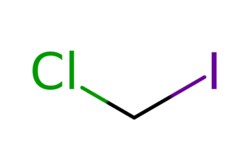
eMolecules 593-71-5 | Chloroiodomethane | Apollo Scientific | MFCD00001078 | 176.380 | CH2ClI | 97.000 | ClCI | 25g | 771340365
Chloroiodomethane | Apollo Scientific | 593-71-5 | MFCD00001078 | 176.380 | CH2ClI | 97.000 | ClCI | 25g | 771340365
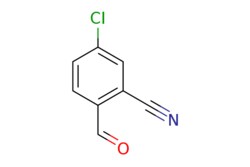
eMolecules 77532-88-8 | 4-CHLORO-2-CYANOBENZALDEHYDE | AstaTech | MFCD10699538 | 165.580 | C8H4ClNO | 95.000 | Clc1ccc(C=O)c(c1)C#N | 1g | 282986157
4-CHLORO-2-CYANOBENZALDEHYDE | AstaTech | 77532-88-8 | MFCD10699538 | 165.580 | C8H4ClNO | 95.000 | Clc1ccc(C=O)c(c1)C#N | 1g | 282986157
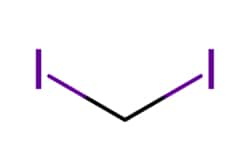
eMolecules 75-11-6 | Diiodomethane | Oakwood Chemical | MFCD00001079 | 267.836 | CH2I2 | 98.000 | ICI | 10g | 537691334
Diiodomethane | Oakwood Chemical | 75-11-6 | MFCD00001079 | 267.836 | CH2I2 | 98.000 | ICI | 10g | 537691334

Medchemexpress LLC Aryl Hydrocarbon Receptor Antibody (YA610) | Predicted band size: 96 kDa; Observed band size: 105 kDa | 10 UL

Aryl Hydrocarbon Receptor Antibody (YA610) is a rabbit-derived, non-conjugated IgG monoclonal antibody targeting the Aryl Hydrocarbon Receptor. It plays a critical role in cellular adaptation to environmental, dietary, microbial, and metabolic cues, influencing development, immunity, and cancer. For research use only.
- Host: Rabbit
- Clonality: Recombinant, monoclonal
- Species reactivity: Human
- Immunogen: Synthetic human Aryl Hydrocarbon Receptor peptide (AA range: 735-775)
- Applications: WB (1:1000-1:2000), ICC/IF (1:100-1:500)
- Sensitivity: Endogenous
- Conjugation: Non-conjugated
- Isotype: IgG
- Appearance: Liquid
- Formulation: 1*TBS (pH7.4), 0.05% BSA, 40% Glycerol, 0.05% Sodium Azide
- Storage: -20°C for 1 year; avoid freeze/thaw cycles
- Shipping: Blue ice
Medchemexpress LLC RN-1665 | 1803003-65-7 | 99.93% | 513.54 | 50 MG
RN-1665 is an orally active TRPV4 antagonist that exhibits excellent selectivity for related TRP receptors such as TRPV1, TRPV3 and TRPM8. RN-1665 is a TRPV4 probe for focus screens, with IC50s of 0.26 μM and 0.39 μM for hTRPV4 and rTRPV4 from human and rat, respectively.
- Orally active TRPV4 antagonist.
- Excellent selectivity for related TRP receptors (TRPV1, TRPV3, TRPM8).
- TRPV4 probe for focus screens.
- IC50s: 0.26 μM for hTRPV4, 0.39 μM for rTRPV4.
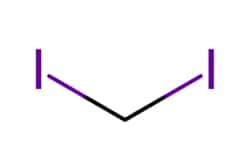
eMolecules 75-11-6 | Diiodomethane | Oakwood Chemical | MFCD00001079 | 267.836 | CH2I2 | 98.000 | ICI | 25g | 537691335
Diiodomethane | Oakwood Chemical | 75-11-6 | MFCD00001079 | 267.836 | CH2I2 | 98.000 | ICI | 25g | 537691335
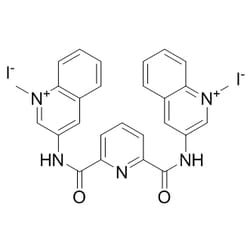
Apexbio Technology LLC 360A iodide 737763-37-0 5mg
360A iodide (CAS 737763-37-0) is a 2 6-pyridine-dicarboxamide derivative that acts as a selective ligand for G-quadruplex DNA structures By stabilizing telomeric G-quadruplexes 360A inhibits telomerase activity and induces alterations in cell cycle progression notably causing S-phase accumulation in ATM-proficient EBV-lymphocytes Its mechanism of action involves promoting sister telomere fusions via DNA-PKcs-dependent non-homologous end joining (NHEJ) as well as triggering NHEJ and homologous recombination (HR) pathways at telomeres which disrupt mitotic progression 360A has been shown to preferentially bind telomeric G-quadruplex DNA over duplex DNA and to delay growth in HT1080 tumor cells This compound is valuable for investigating telomere biology DNA damage response and G-quadruplex-mediated genomic stability

Medchemexpress LLC TO-PRO-3 iodide 671ug | 157199-63-8 | 671.42 g·mol⁻¹ | C26H31I2N3S | 671 UG
TO-PRO-3 iodide is a far-red monomeric cyanine nucleic acid stain that selectively binds nucleic acids and produces bright nuclear fluorescence in fixed or membrane-compromised cells.
- Provides bright far-red nuclear staining with excitation ≈642 nm and emission ≈661 nm.
- Is cell-impermeant and useful as a viability marker and nuclear counterstain.
- Is suitable for flow cytometry, fluorescence microscopy, and chromosome staining.
- Is supplied as a DMSO solution for convenient dilution to working concentrations.
- Offers high fluorescence enhancement upon nucleic acid binding for sensitive detection.
- Is provided in a small vial format (e.g., 671 μg, 5 mM x 200 μL) for research use.