
Quinolines and derivatives
- (1)
- (1)
- (1)
- (213)
- (6)
- (1)
- (1)
- (40)
- (2)
- (12)
- (48)
- (1)
- (37)
- (1)
- (2)
- (1)
- (1)
- (1)
- (1)
- (4)
- (1)
- (1)
- (8)
- (134)
- (1)
- (9)
- (16)
- (1)
- (36)
- (1)
- (1)
- (1)
- (1)
- (1)
- (189)
- (1)
- (1)
- (17)
- (1)
- (17)
- (17)
- (6)
- (1)
- (1)
- (1)
- (1)
- (1)
- (1)
- (1)
- (1)
- (1)
- (1)
- (2)
- (1)
- (1)
- (1)
- (1)
- (1)
- (1)
- (1)
- (1)
- (1)
- (1)
- (2)
- (7)
- (21)
- (26)
- (2)
- (30)
- (4)
- (6)
- (1)
- (4)
- (1)
- (1)
- (1)
- (1)
- (1)
- (1)
- (1)
- (1)
- (1)
- (1)
- (2)
- (5)
- (2)
- (6)
- (5)
- (2)
- (1)
- (11)
- (1)
- (2)
- (1)
- (4)
- (1)
- (1)
- (1)
- (1)
- (2)
- (1)
- (1)
- (1)
- (25)
- (16)
- (2)
- (3)
- (1)
- (1)
- (1)
- (2)
- (2)
- (1)
- (1)
- (1)
- (1)
- (1)
- (1)
- (1)
- (4)
- (1)
- (1)
- (4)
- (4)
- (8)
- (2)
- (1)
- (2)
- (1)
- (1)
- (6)
- (2)
- (1)
- (1)
- (2)
- (1)
- (6)
- (1)
- (19)
- (1)
- (5)
- (1)
- (3)
- (5)
- (1)
- (2)
- (2)
- (2)
- (2)
- (8)
- (1)
- (1)
- (2)
- (1)
- (1)
- (1)
- (1)
- (1)
- (1)
- (1)
- (1)
- (1)
- (1)
- (4)
- (3)
- (1)
- (1)
- (4)
- (2)
- (2)
- (1)
- (1)
- (2)
- (3)
- (1)
- (1)
- (1)
- (1)
- (2)
- (1)
- (1)
- (2)
- (5)
- (1)
- (1)
- (2)
- (5)
- (2)
- (4)
- (2)
- (3)
- (1)
- (3)
- (1)
- (1)
- (1)
- (1)
- (1)
- (1)
- (3)
- (1)
- (2)
- (1)
- (1)
- (1)
- (1)
- (1)
- (3)
- (1)
- (4)
- (1)
- (2)
- (4)
- (1)
- (3)
- (3)
- (1)
- (7)
- (2)
- (1)
- (4)
- (1)
- (1)
- (1)
- (2)
- (2)
- (4)
- (1)
- (2)
- (2)
- (1)
- (1)
- (1)
- (2)
- (3)
- (2)
- (1)
- (1)
- (1)
- (1)
- (2)
- (1)
- (2)
- (1)
- (1)
- (2)
- (2)
- (2)
- (3)
- (2)
- (1)
- (1)
- (2)
- (2)
- (2)
- (1)
- (4)
- (1)
- (2)
- (3)
- (1)
- (1)
- (1)
- (1)
- (1)
- (1)
- (13)
- (1)
- (2)
- (2)
- (4)
- (3)
- (4)
- (1)
- (1)
- (2)
- (2)
- (1)
- (2)
- (1)
- (2)
- (19)
- (2)
- (1)
- (2)
- (4)
- (1)
- (1)
- (2)
- (2)
- (2)
- (2)
- (2)
- (2)
- (1)
- (2)
- (1)
- (1)
- (2)
- (1)
- (4)
- (5)
- (1)
- (2)
- (1)
- (1)
- (2)
- (4)
- (3)
- (2)
- (1)
- (9)
- (5)
- (2)
- (3)
- (3)
- (2)
- (5)
- (6)
- (3)
- (13)
- (2)
- (1)
- (1)
- (2)
- (2)
- (2)
- (2)
- (1)
- (1)
- (3)
- (2)
- (2)
- (1)
- (2)
- (1)
- (2)
- (2)
- (2)
- (1)
- (1)
- (2)
- (2)
- (2)
- (2)
- (2)
- (1)
- (4)
- (5)
- (4)
- (3)
- (3)
- (7)
- (1)
- (1)
- (2)
- (3)
- (7)
- (5)
- (2)
- (1)
- (10)
- (1)
- (1)
- (1)
- (2)
- (2)
- (4)
- (1)
- (2)
- (2)
- (4)
- (2)
- (2)
- (6)
- (2)
- (7)
- (4)
- (3)
- (2)
- (2)
- (5)
- (2)
- (1)
- (14)
- (1)
- (1)
- (23)
- (42)
- (23)
- (18)
- (83)
- (3)
- (17)
- (3)
- (5)
- (8)
- (1)
- (6)
- (1)
- (5)
- (1)
- (6)
- (5)
- (2)
- (5)
- (2)
- (6)
- (2)
- (2)
- (4)
- (1)
- (25)
- (19)
- (70)
- (1)
- (107)
- (3)
- (1)
- (2)
- (61)
- (5)
- (1)
- (1)
- (2)
- (299)
- (2)
- (2)
- (25)
- (2)
- (5)
- (1)
- (1)
- (1)
- (1)
- (3)
- (9)
- (3)
- (2)
- (62)
- (2)
- (5)
- (29)
- (3)
- (2)
- (1)
- (1)
- (1)
- (3)
- (3)
- (2)
- (1)
- (1)
- (2)
- (1)
- (5)
- (4)
- (2)
- (1)
- (3)
- (1)
- (2)
- (2)
- (5)
- (3)
- (2)
- (3)
- (1)
- (1)
- (1)
- (1)
- (1)
- (1)
- (2)
- (12)
- (4)
- (1)
- (5)
- (3)
- (5)
- (2)
- (2)
- (3)
- (2)
- (1)
- (1)
- (3)
- (5)
- (1)
- (3)
- (1)
- (2)
- (1)
- (1)
- (1)
- (1)
- (1)
- (1)
Filtered Search Results


Medchemexpress LLC MPEG-amine (MW 20000) | 80506-64-5 | 98.0% | (C2H4O)nC3H9NO | 250 MG
 Small and Specialty Supplier Partner
Small and/or specialty supplier based on Federal laws and SBA requirements.
Learn More
Small and/or specialty supplier based on Federal laws and SBA requirements.
Learn More
MPEG-amine (MW 20000) is a PEG-based PROTAC linker, crucial for the synthesis of PROTACs. These PROTACs are innovative molecules that utilize the intracellular ubiquitin-proteasome system to selectively degrade target proteins, featuring two distinct ligands connected by a linker: one targeting an E3 ubiquitin ligase and the other for the target protein.
- PEG-based PROTAC linker
- Used in the synthesis of PROTACs
- Exploits ubiquitin-proteasome system to degrade target proteins
- Average molecular weight of 20000
- Appears as a solid
- Color is white to off-white

Non-distribution item offered as a customer accommodation; additional freight charges may apply.
Learn More

Medchemexpress LLC Amine-PEG3-lys(PEG3-N3)-PEG3-N3 | 2244602-35-3 | 98.0% | 750.84 g/mol | C30H58N10O12 | 100 MG
Small and Specialty Supplier Partner
Small and/or specialty supplier based on Federal laws and SBA requirements.
Learn More
Small and/or specialty supplier based on Federal laws and SBA requirements.
Learn More
Amine-PEG3-Lys(PEG3-N3)-PEG3-N3 is a branched polyethylene glycol (PEG) linker designed for use in the synthesis of antibody-drug conjugates (ADCs). It features an amine terminus and multiple PEG3 spacers terminated with azide (N3) groups to enable orthogonal conjugation strategies.
- Branched PEG linker with amine and azide functional groups.
- Designed for ADC synthesis and bioconjugation.
- Multiple PEG3 spacers increase solubility and flexibility.
- Enables orthogonal conjugation via amine and azide chemistries.
- Typical reported purity 98.0%.
Non-distribution item offered as a customer accommodation; additional freight charges may apply.
Learn More

eMolecules 31407-25-7 | 2-Aminoquinoline-3-carbonitrile | Combi-Blocks | MFCD00662531 | 169.187 | C10H7N3 | 98.000 | Nc1nc2ccccc2cc1C#N | 25g | 448003500
2-Aminoquinoline-3-carbonitrile | Combi-Blocks | 31407-25-7 | MFCD00662531 | 169.187 | C10H7N3 | 98.000 | Nc1nc2ccccc2cc1C#N | 25g | 448003500
Non-distribution item offered as a customer accommodation; additional freight charges may apply.
Learn More

Medchemexpress LLC 7-bromoquinoline-4-carboxylic acid | 31009-04-8 | MFCD11108751 | 96.1% | 252.06 g·mol⁻1 | C10H6BrNO2 | 100 MG
Small and Specialty Supplier Partner
Small and/or specialty supplier based on Federal laws and SBA requirements.
Learn More
Small and/or specialty supplier based on Federal laws and SBA requirements.
Learn More
7-Bromoquinoline-4-carboxylic acid is a bromo-substituted quinoline carboxylic acid used as an intermediate and reagent in medicinal chemistry and organic synthesis. Manufacturer batch documentation provides molecular, analytical, and storage information to support research use and quality control.
- Contains a bromine-substituted quinoline core suitable for derivatization.
- Useful intermediate for medicinal chemistry and organic synthesis.
- Molecular formula C10H6BrNO2 and molecular weight 252.06 g·mol⁻1.
- Solid powder appearance; batch color may be gray to brown.
- Analytical data available, including HPLC purity and NMR confirmation.
- Recommended storage: powder at -20 °C for long term, 4 °C for shorter term; solutions at -80 °C for extended storage.
Non-distribution item offered as a customer accommodation; additional freight charges may apply.
Learn More
Medchemexpress LLC Peg-bis-amine (MW 2000) | 24991-53-5 | 99.4% | (C2H4O)nC4H12N2O | 250 MG
Small and Specialty Supplier Partner
Small and/or specialty supplier based on Federal laws and SBA requirements.
Learn More
Small and/or specialty supplier based on Federal laws and SBA requirements.
Learn More
PEG-bis-amine (Poly(ethylene glycol)-bis-amine) (MW 2000) is a PEG-based PROTAC linker. It is used in the synthesis of PROTACs, which are molecules designed to exploit the intracellular ubiquitin-proteasome system for selective degradation of target proteins.
- Can be used in the synthesis of PROTACs
- PROTACs contain two different ligands connected by a linker
- Ligands are for an E3 ubiquitin ligase and a target protein
- PROTACs exploit the intracellular ubiquitin-proteasome system
- Selectively degrades target proteins
Non-distribution item offered as a customer accommodation; additional freight charges may apply.
Learn More

Medchemexpress LLC 1,11-diamino-3,6,9-trioxaundecane | 929-75-9 | MFCD00628164 | 99.8% | 192.26 | C8H20N2O3 | 5 G
Small and Specialty Supplier Partner
Small and/or specialty supplier based on Federal laws and SBA requirements.
Learn More
Small and/or specialty supplier based on Federal laws and SBA requirements.
Learn More
Amino-PEG3-C2-Amine is a short PEG-based linker containing three ethylene glycol units and a terminal primary amine. It is used as a building block for the synthesis of PROTACs and other bioconjugates, providing a hydrophilic, flexible spacer and a reactive amine handle for coupling chemistry. Supplied at high purity, the compound is intended for medicinal chemistry and linker construction workflows.
- Provides a short, flexible PEG3 spacer that improves solubility.
- Presents a terminal primary amine for efficient coupling to carboxyls or activated esters.
- High purity suitable for synthetic and medicinal chemistry applications.
- Available in multiple pack sizes for small-scale and preparative work.
- Stable under recommended storage conditions for long-term use.
Non-distribution item offered as a customer accommodation; additional freight charges may apply.
Learn More

Medchemexpress LLC 5(6)-Carboxy-2',7'-dichlorofluorescein | 111843-78-8 | 99.0% | 100 MG
Small and Specialty Supplier Partner
Small and/or specialty supplier based on Federal laws and SBA requirements.
Learn More
Small and/or specialty supplier based on Federal laws and SBA requirements.
Learn More
5(6)-Carboxy-2',7'-dichlorofluorescein is an ideal substrate for MRP2 vesicular transport assay, possessing excellent detection and transport properties.
- Ideal substrate for MRP2 vesicular transport assay
- Excellent detection and transport properties
Non-distribution item offered as a customer accommodation; additional freight charges may apply.
Learn More
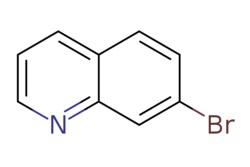
eMolecules 4965-36-0 | 7-Bromoquinoline | Ambeed | MFCD03695823 | 208.058 | C9H6BrN | 98.000 | Brc1ccc2cccnc2c1 | 25g | 490534632
7-Bromoquinoline | Ambeed | 4965-36-0 | MFCD03695823 | 208.058 | C9H6BrN | 98.000 | Brc1ccc2cccnc2c1 | 25g | 490534632
Non-distribution item offered as a customer accommodation; additional freight charges may apply.
Learn More
Medchemexpress LLC Benzyl-PEG5-amine | 86770-77-6 | 98.0% | C17H29NO5 | 250 MG
Small and Specialty Supplier Partner
Small and/or specialty supplier based on Federal laws and SBA requirements.
Learn More
Small and/or specialty supplier based on Federal laws and SBA requirements.
Learn More
Benzyl-PEG5-amine is a PEG-based PROTAC linker used in the synthesis of PROTACs. PROTACs (Proteolysis Targeting Chimeras) consist of two different ligands connected by a linker; one ligand targets an E3 ubiquitin ligase, and the other targets the protein intended for degradation. They leverage the intracellular ubiquitin-proteasome system for selective degradation of target proteins.
- Used in PROTAC synthesis
- PEG-based linker
- Facilitates selective protein degradation
Non-distribution item offered as a customer accommodation; additional freight charges may apply.
Learn More
Medchemexpress LLC Benzyl-PEG2-amine | 1268135-96-1 | >97.7% | C11H17NO2 | 100 MG
Small and Specialty Supplier Partner
Small and/or specialty supplier based on Federal laws and SBA requirements.
Learn More
Small and/or specialty supplier based on Federal laws and SBA requirements.
Learn More
Benzyl-PEG2-amine is a PEG-based PROTAC linker utilized in the synthesis of PROTACs. These PROTACs facilitate the connection of ligands for E3 ubiquitin ligase and target proteins, enabling the degradation of target proteins via the ubiquitin-proteasome system.
- Functions as a PEG-based linker for PROTACs.
- Utilized in the synthesis of PROTACs.
- Molecular weight: 195.26.
- Chemical formula: C11H17NO2.
- Appearance: Colorless to light yellow liquid.
- Storage: Recommended at 4°C, protected from light; in solvent, -80°C for 6 months or -20°C for 1 month, protected from light.
- Enables degradation of target proteins via the ubiquitin-proteasome system.
Non-distribution item offered as a customer accommodation; additional freight charges may apply.
Learn More

Medchemexpress LLC Mal-C6-amine (TFA) | 731862-92-3 | MFCD11519191 | 99.7% | 310.27 g/mol | C12H17F3N2O4 | 5 G
Small and Specialty Supplier Partner
Small and/or specialty supplier based on Federal laws and SBA requirements.
Learn More
Small and/or specialty supplier based on Federal laws and SBA requirements.
Learn More
Mal-C6-amine (TFA) is an alkyl chain-based PROTAC linker (maleimide C6 amine, trifluoroacetate salt) supplied for research use. It facilitates thiol conjugation via the maleimide group and is provided as an off-white to light yellow solid.
- Alkyl chain-based linker for PROTAC synthesis.
- Maleimide functional group enables thiol conjugation.
- Trifluoroacetate salt form for improved stability and handling.
- High purity (~99.7%) suitable for research applications.
- Soluble in DMSO (100 mg/mL) with ultrasonic assistance.
- Store sealed at 4°C; in solution keep at -80°C for long-term storage.
- For research use only; not for human use.
Non-distribution item offered as a customer accommodation; additional freight charges may apply.
Learn More
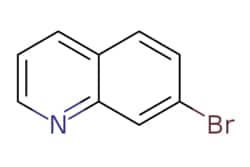
eMolecules 4965-36-0 | 7-bromoquinoline | Pharmablock | MFCD03695823 | 208.058 | C9H6BrN | 97.000 | Brc1ccc2cccnc2c1 | 1g | 601586860
7-bromoquinoline | Pharmablock | 4965-36-0 | MFCD03695823 | 208.058 | C9H6BrN | 97.000 | Brc1ccc2cccnc2c1 | 1g | 601586860
Non-distribution item offered as a customer accommodation; additional freight charges may apply.
Learn More

Medchemexpress LLC Amifostine thiol dihydrochloride | 14653-77-1 | MFCD00460339 | ≥98.0% | 207.16 g/mol | C5H16Cl2N2S | 1 MG
Small and Specialty Supplier Partner
Small and/or specialty supplier based on Federal laws and SBA requirements.
Learn More
Small and/or specialty supplier based on Federal laws and SBA requirements.
Learn More
Amifostine thiol dihydrochloride is the dihydrochloride salt of WR-1065, the active thiol metabolite of amifostine. It is supplied as a research reagent and analytical standard for studies of radioprotection, cytoprotection from chemotherapeutic agents, and p53/JNK-dependent signaling.
- Protects normal tissues from toxic effects of certain cancer agents.
- Activates p53 through a JNK-dependent signaling pathway.
- Supplied as a dihydrochloride salt for improved handling and stability.
- Provided in small research quantities suitable for analytical and biological studies.
Non-distribution item offered as a customer accommodation; additional freight charges may apply.
Learn More
Medchemexpress LLC Amino-PEG5-amine | 72236-26-1 | 97.0% | 100 MG
Small and Specialty Supplier Partner
Small and/or specialty supplier based on Federal laws and SBA requirements.
Learn More
Small and/or specialty supplier based on Federal laws and SBA requirements.
Learn More
Amino-PEG5-amine is a PEG-based PROTAC linker with 5 units. It is designed for use in the synthesis of PROTACs and is intended for research purposes only.
- PEG-based PROTAC linker
- Used in the synthesis of PROTACs
- For research use only
Non-distribution item offered as a customer accommodation; additional freight charges may apply.
Learn More
Medchemexpress LLC BENZYL-PEG6-AMINE 1G
Small and Specialty Supplier Partner
Small and/or specialty supplier based on Federal laws and SBA requirements.
Learn More
Small and/or specialty supplier based on Federal laws and SBA requirements.
Learn More
BENZYL-PEG6-AMINE 1G
Non-distribution item offered as a customer accommodation; additional freight charges may apply.
Learn More